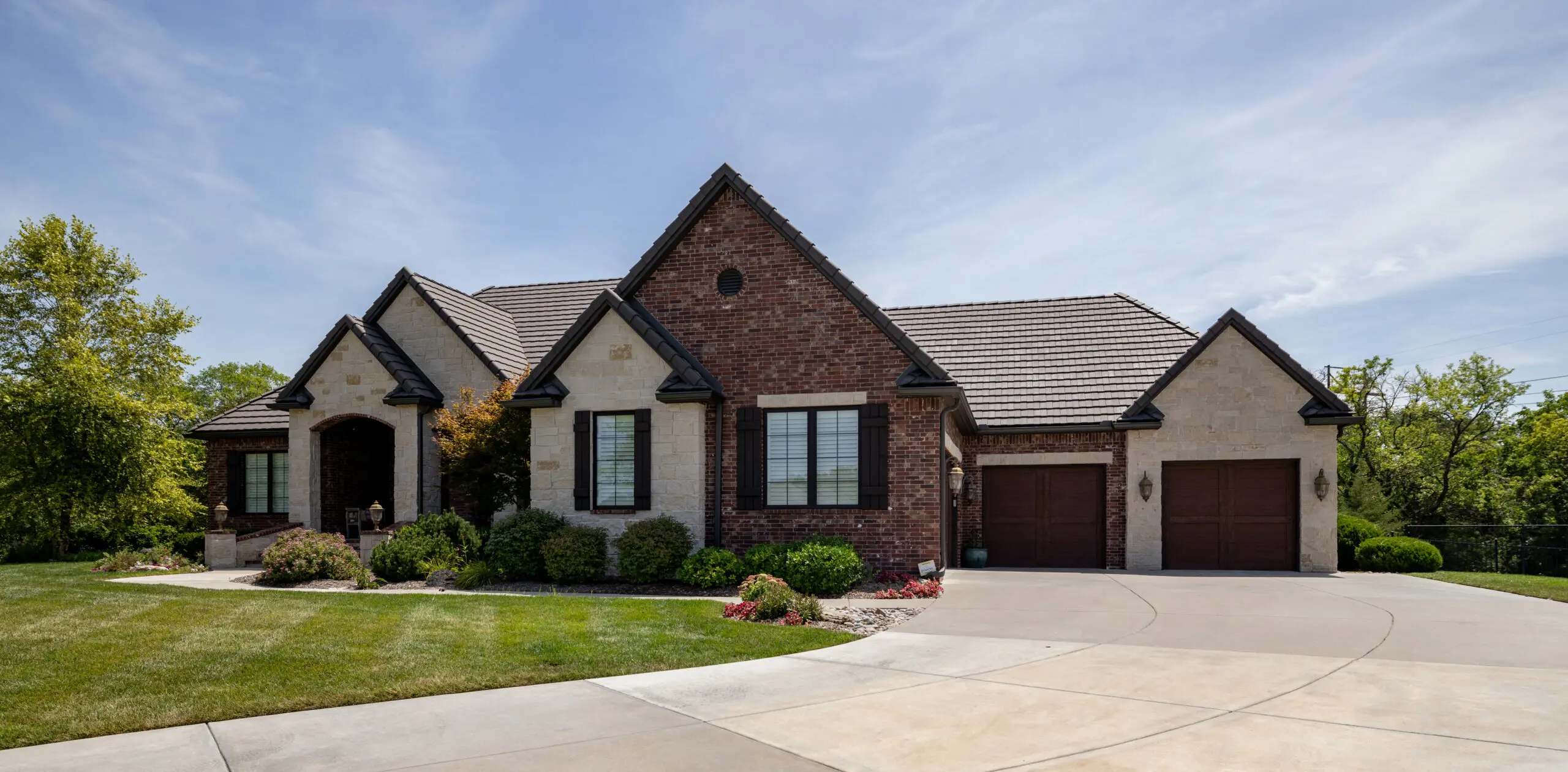

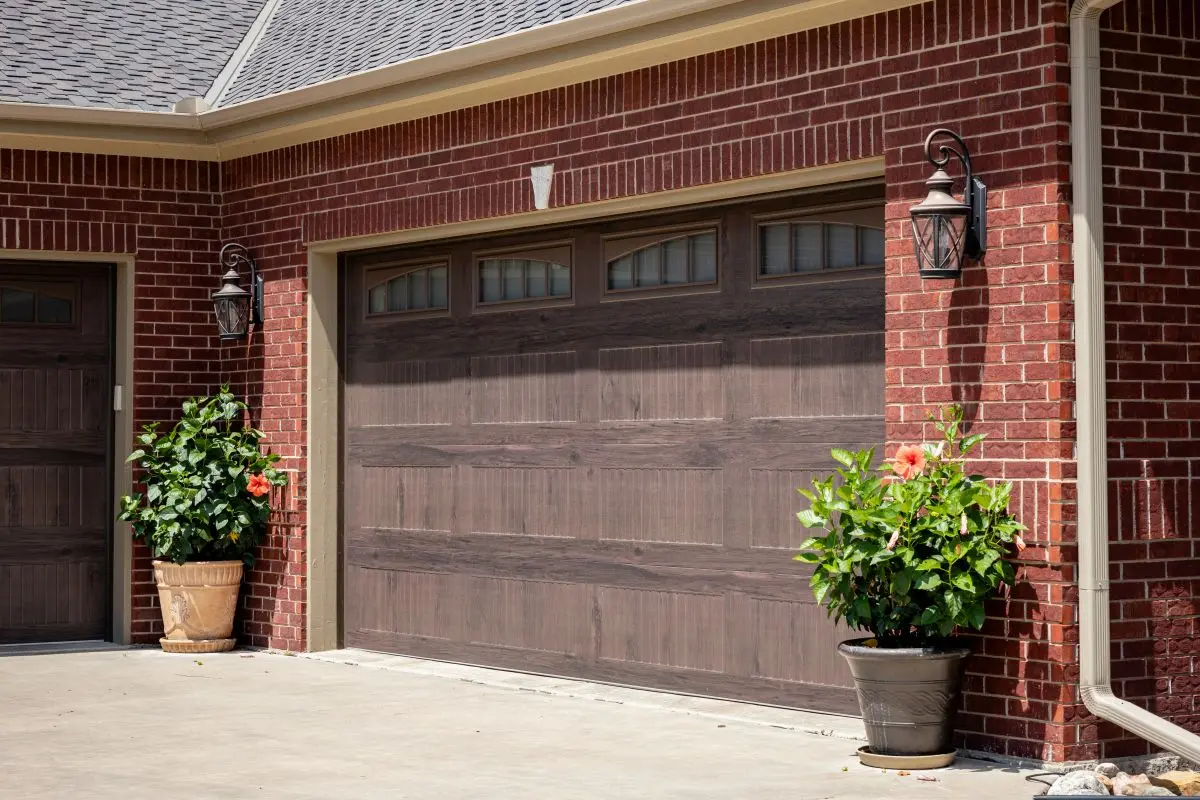
Wood garage doors deliver a warmth, texture, and natural character that no other material quite matches, which is why they remain a favorite for homeowners chasing serious curb appeal. But that beauty comes with real responsibilities, since natural wood needs regular care to stay looking its best and to hold up against sun, moisture, and temperature swings. This guide gives you the honest picture: the species and looks available, the upkeep tasks the material actually demands, and what a wood door costs both upfront and over its lifetime.
Here is what you will learn in the sections below:
- The looks: The wood species and styles that give these doors their signature warmth and character.
- The upkeep: The real maintenance tasks a natural wood door requires to stay beautiful and sound.
- The cost: Honest upfront and long-term pricing, plus how faux wood compares as an alternative.
The Warm Appeal of Wood Garage Doors
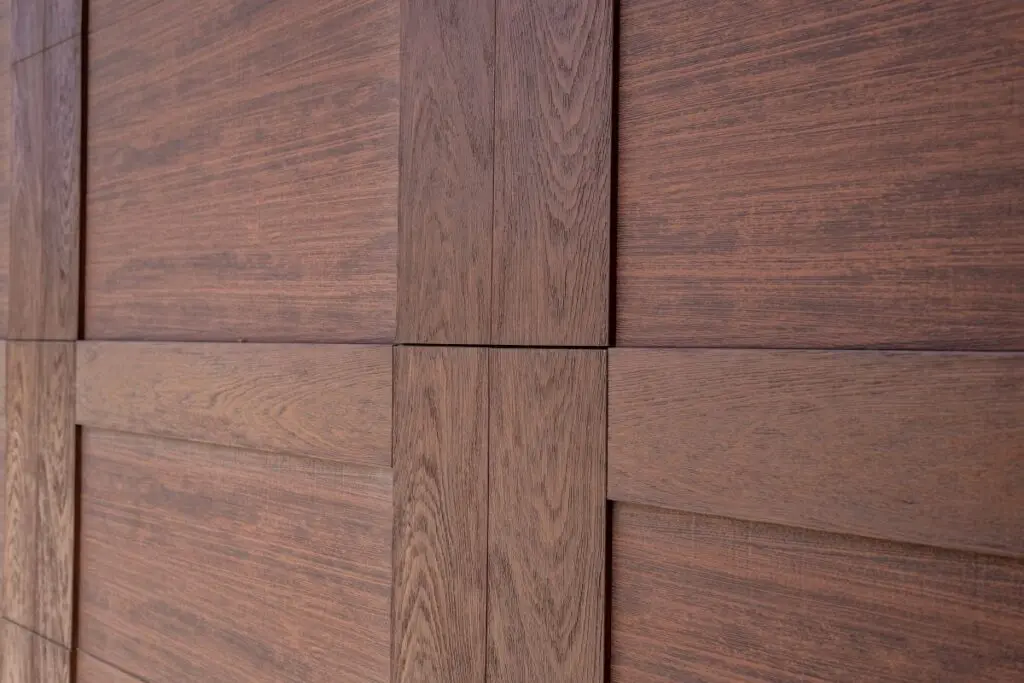
Wood garage doors stand out for their authentic grain, depth, and one-of-a-kind character that instantly elevates a home’s exterior. Understanding what drives that appeal, and the species behind it, helps you decide whether natural wood is the right fit for your home.
Why Homeowners Love the Look of Real Wood
Homeowners love real wood garage doors because each one is unique, with natural grain and depth that printed or painted finishes simply cannot replicate. The material offers unmatched warmth and authenticity, and it can be stained to highlight the grain or painted to suit changing tastes over the years. Wood also brings a handcrafted, high-end quality that signals care and craftsmanship from the curb. For homes where character and authenticity matter most, natural wood delivers a look that feels timeless rather than trendy.
- Truly unique: Every wood door has one-of-a-kind grain and character.
- Warmth and depth: Natural texture adds richness a finish cannot match.
- Customizable: Can be stained to show grain or painted to match styles.
- High-end feel: Signals craftsmanship and quality from the street.
Popular Wood Species and Styles
The most popular wood species for garage doors are cedar, redwood, and mahogany, each offering a distinct look and level of durability. Cedar is a favorite for its natural resistance to moisture and insects along with its beautiful grain, while redwood offers rich color and stability. Mahogany brings a deep, luxurious tone that suits upscale and traditional homes especially well. These woods appear in styles ranging from classic Carriage House and Colonial designs to clean contemporary flush and plank looks. Carriage House style mimics traditional barn doors with modern functionality. Rail and stile doors feature framed panel designs. Raised panel styles add depth and richness to the exterior, while flush panel doors offer smooth, full-panel designs that can be matched to different Architectural styles.
- Cedar: Naturally resists moisture and insects with attractive grain.
- Redwood: Offers rich color and good dimensional stability.
- Mahogany: Delivers a deep, luxurious tone for upscale homes.
- Versatile styles: Available from carriage-house to modern flush designs.
4 Upkeep Tasks Every Wood Garage Door Needs
Owning a wood garage door means committing to a handful of regular maintenance tasks that keep it beautiful and protect it from the elements. The four tasks below are the core of wood door care, and staying on top of them is what determines whether your door lasts for decades or deteriorates early.
1. Regular Cleaning
Regular cleaning is the simplest and most frequent upkeep task, removing the dirt, pollen, and grime that dull a wood door’s finish and trap moisture. Washing the door a few times a year with mild soap and water keeps the surface looking fresh and lets you spot early signs of wear before they worsen. Cleaning also prepares the surface for resealing and prevents buildup that can accelerate finish breakdown. This small habit is the foundation of wood door care and the easiest to keep up with.
- Frequency: A gentle wash a few times a year keeps the finish fresh.
- Method: Use mild soap and water, not harsh abrasive cleaners.
- Bonus benefit: Cleaning reveals early wear before it becomes damage.
- Prep step: A clean surface is ready for resealing when due.
2. Periodic Sanding
Periodic sanding keeps the wood surface smooth and removes weathered or flaking finish so a fresh coat can bond properly. As a door ages, sun and moisture can raise the grain or cause the old finish to crack, and light sanding restores an even, receptive surface. This step is essential before restaining or resealing, since a new finish applied over a degraded one will not protect the wood well. Sanding takes effort but is the key to a professional-looking, long-lasting refinish.
- Purpose: Smooths raised grain and removes flaking old finish.
- When needed: Before any restaining or resealing.
- Why it matters: New finish bonds poorly over a degraded surface.
- Result: An even surface ready for lasting protection.
3. Staining or Painting
Staining or painting refreshes the door’s color and is a core part of keeping natural wood looking its best over the years. Staining enhances and protects the natural grain, while painting offers a solid color and an extra layer of weather protection. This step restores the door’s appearance and works together with sealing to guard against fading, moisture, and UV damage. Choosing quality exterior-grade products designed for wood doors ensures the color lasts and the protection holds.
- Staining: Enhances and protects the natural wood grain.
- Painting: Adds solid color and extra weather protection.
- Appearance: Restores faded color and refreshes the look.
- Product choice: Use quality exterior-grade finishes for durability.
4. Resealing Against the Elements
Resealing is the most critical upkeep task because the sealant is what protects the wood from moisture, warping, cracking, and rot. Over time, weather breaks down the protective seal, so reapplying it on a regular cycle is essential to the door’s longevity. According to Clopay, real wood garage doors require regular refinishing, staining, or painting to maintain their appearance and protect against the elements, and without that upkeep the wood may rot, warp, or fade. Staying on a consistent resealing schedule, typically every one to three years depending on climate and sun exposure, is the single best thing you can do to protect your investment.
- Top priority: Sealant is the main defense against moisture and rot.
- Typical cycle: Reseal every one to three years based on climate.
- Sun exposure: South- and west-facing doors need it more often.
- Payoff: Consistent sealing prevents warping, cracking, and decay.
The Real Cost of Wood Garage Doors
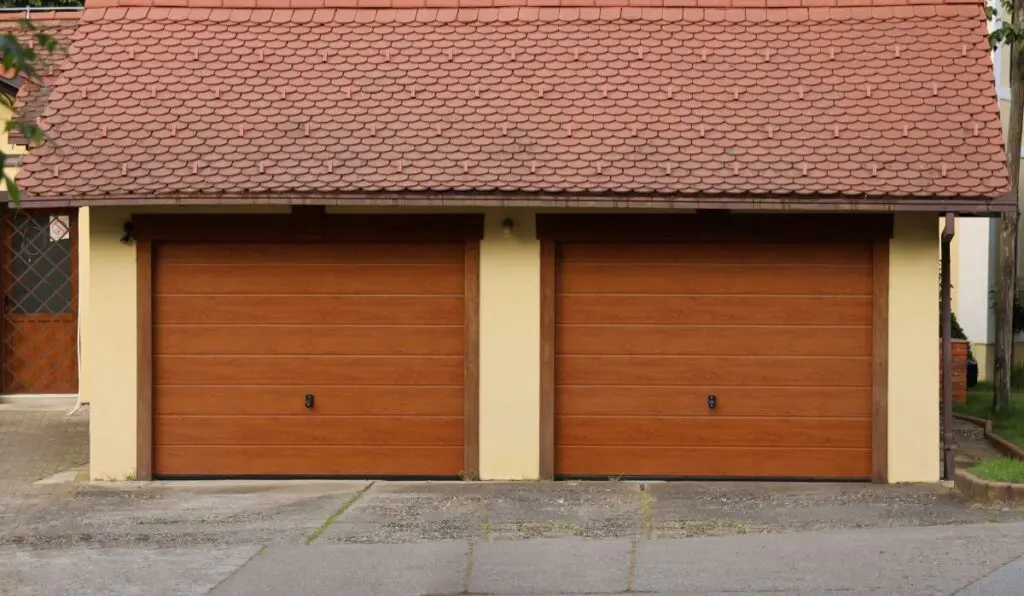
Understanding the full cost of a wood garage door means looking beyond the sticker price to the ongoing maintenance and the faux-wood alternative. Weighing all three together helps you decide whether natural wood fits your budget and lifestyle.
Upfront and Long-Term Costs
The upfront cost of a real wood garage door is higher than most materials, and the long-term maintenance adds to the total over the door’s life. A two-car wooden garage door commonly runs $2,000 to $10,000 installed, with exotic species like mahogany and custom designs pushing toward the higher end. Beyond that, budget for the ongoing expense of cleaning supplies, sanding, stain or paint, and sealant every few years, plus the time or labor to apply them. Factoring in both the purchase and the upkeep gives you the honest picture of what a wood door costs to own.
- Upfront price: A two-car wood door typically runs $2,000 to $10,000 installed.
- Species matters: Exotic woods and custom designs cost the most.
- Ongoing upkeep: Budget for refinishing supplies and labor every few years.
- True cost: Add purchase and maintenance for the real total.
How Faux Wood Compares
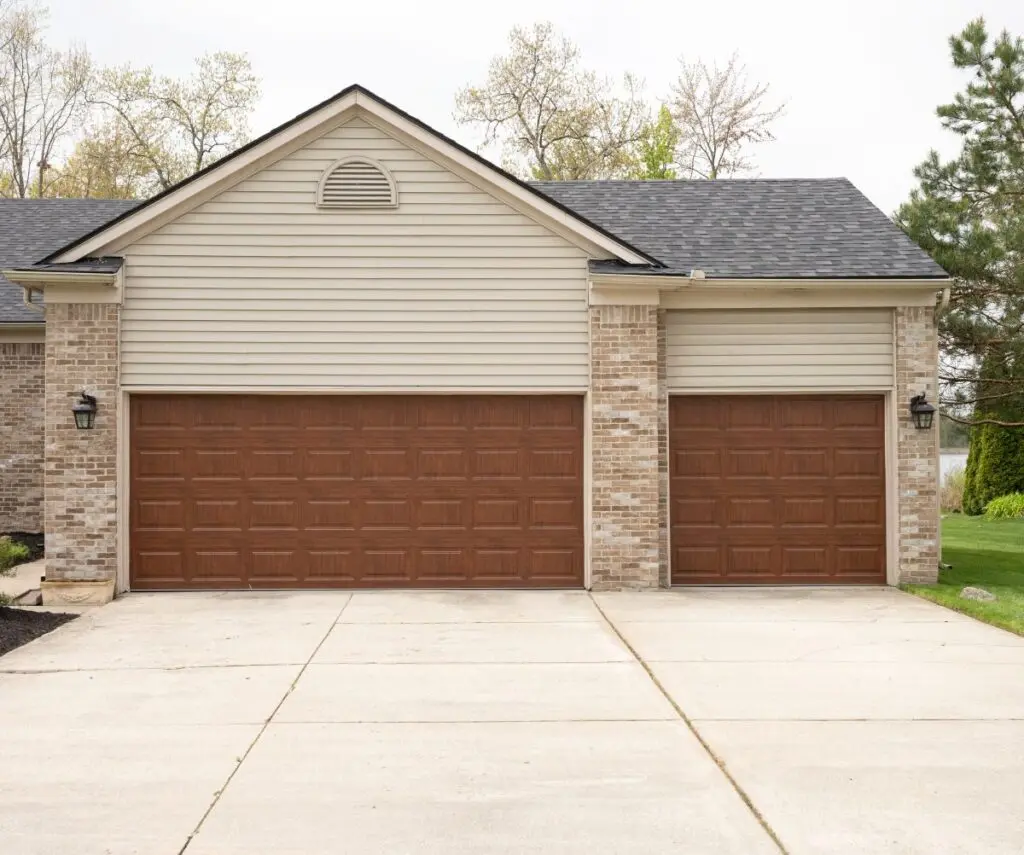
Faux wood garage doors offer the warm look of natural wood with a fraction of the maintenance, making them a popular alternative for busy homeowners. Built on an insulated steel or composite base with a convincing wood-look finish, these doors resist rot, warping, and fading and typically need only occasional cleaning. They often cost less than premium real wood, generally ranging from about $1,000 to $5,000, and they skip the recurring expense of staining and sealing. The trade-off is authenticity, since even the best faux finish is not quite the genuine article, so the choice comes down to how much you value real wood versus low upkeep.
- Low maintenance: Resists rot, warping, and fading with just cleaning.
- Cost range: Often $1,000 to $5,000, usually less than real wood.
- Added benefits: Frequently insulated for better energy efficiency.
- Trade-off: Highly convincing but not quite authentic real wood.
Frequently Asked Questions About Wood Garage Doors
How much do wood garage doors cost?
A real wood two-car garage door typically costs $2,000 to $10,000 installed, depending on the wood species, style, and customization, with exotic woods like mahogany at the high end. Faux wood alternatives usually range from $1,000 to $5,000. Request an itemized quote so you can compare materials and installation.
How often do wood garage doors need to be refinished?
Real wood garage doors generally need refinishing, restaining, or resealing every one to three years, depending on your climate and how much sun the door gets. South- and west-facing doors in harsh weather need attention more often. Staying on a consistent schedule is essential to prevent fading, warping, and rot.
Are wood garage doors worth it?
Wood garage doors are worth it for homeowners who value authentic warmth and character and are willing to keep up with the maintenance. They deliver unmatched curb appeal and can last decades when properly cared for. If you prefer minimal upkeep, faux wood offers a similar look with far less effort.
Do wood garage doors last a long time?
With proper maintenance, a real wood garage door can last for decades, since regular sealing and refinishing protect it from the elements. Neglected wood, however, can warp, crack, or rot much sooner. Consistent upkeep is the deciding factor in how long a wood door lasts.
What is the best wood for a garage door?
Cedar, redwood, and mahogany are among the best woods for garage doors. Cedar naturally resists moisture and insects, redwood offers stability and rich color, and mahogany provides a deep, luxurious look. The best choice depends on your budget, climate, and the aesthetic you want.
Is faux wood better than real wood for a garage door?
Neither is universally better; it depends on your priorities. Real wood offers authentic character but demands regular upkeep and costs more, while faux wood delivers a similar look with minimal maintenance and often a lower price. Busy homeowners tend to prefer faux wood, while those who value authenticity choose real wood.
Why Cheney Door Is Your Best Choice for Wood Garage Doors
When you want the warmth of a wood garage door done right, Cheney Door has the selection and expertise to help you choose between authentic wood and low-maintenance faux wood with confidence. Locally owned and family-run since 1971, our team has spent more than five decades helping neighbors match doors to their homes and their lifestyles, and we back every installation with 24/7 emergency service so your door is always ready when you need it. We carry trusted brands including Clopay, Amarr, Raynor, CHI, and Hampton Bay, giving you a full range of real wood and convincing faux-wood options to suit your taste, climate, and budget. Because the right choice depends on balancing the look you love against the upkeep you are willing to take on, having a seasoned local team walk you through the trade-offs ensures a door you will be happy with for years. Reach out to Cheney Door today for expert guidance on wood and faux-wood garage doors, and request your free quote to bring warm, lasting curb appeal to your home.