
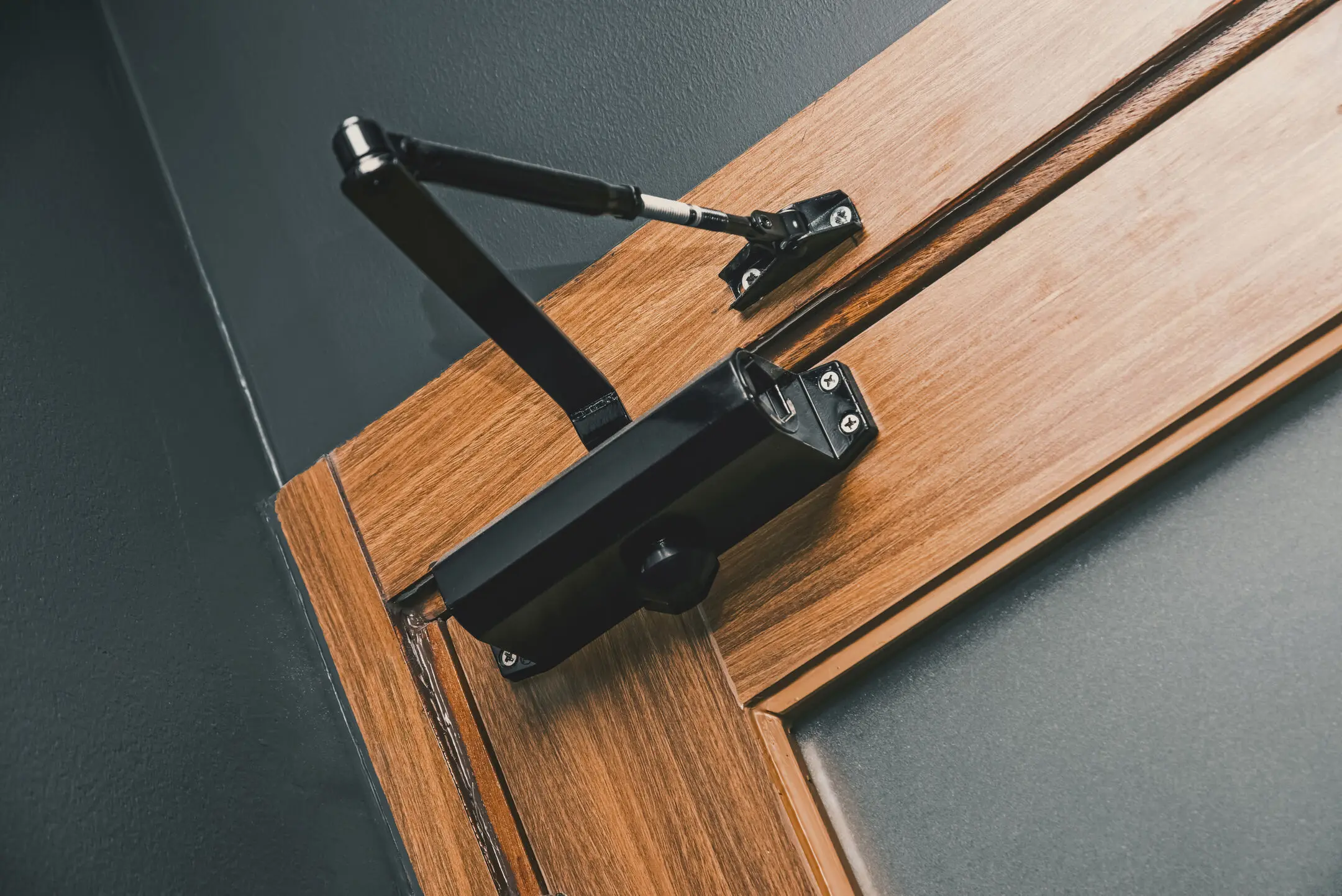
A storm door closer is the tube-shaped device that controls how your storm door pulls shut, and when it stops working right, that gentle close turns into a jarring slam that rattles the frame, annoys everyone nearby, and can wear on the door and frame over time. If you’re a homeowner or DIYer dealing with a storm door slamming , the good news is that the problem is often a simple fix—sometimes just a quick storm door closer adjustment with a screwdriver rather than a full replacement.
This guide explains how a storm door closer works, walks through five practical fixes from adjusting the tension to replacing a worn-out closer, and shows when the job has moved beyond a basic do-it-yourself repair and it’s time to call a professional. By the end, you’ll know how to get your door closing softly and latching securely again.
Here is what you will learn in the sections below:
- How it works: How a storm door closer controls your door’s closing speed and why it slams.
- The five fixes: Step-by-step solutions ranging from a quick adjustment to a full replacement.
- When to call a pro: How to tell when a fix is beyond a simple do-it-yourself adjustment.
How a Storm Door Closer Works
A storm door closer is a shock absorber in reverse, using a rod inside an air- or fluid-filled tube to pull the door closed smoothly instead of letting it bang shut. Understanding the basic mechanism makes every fix that follows easier to picture and carry out.
The Pneumatic Door Closer Explained
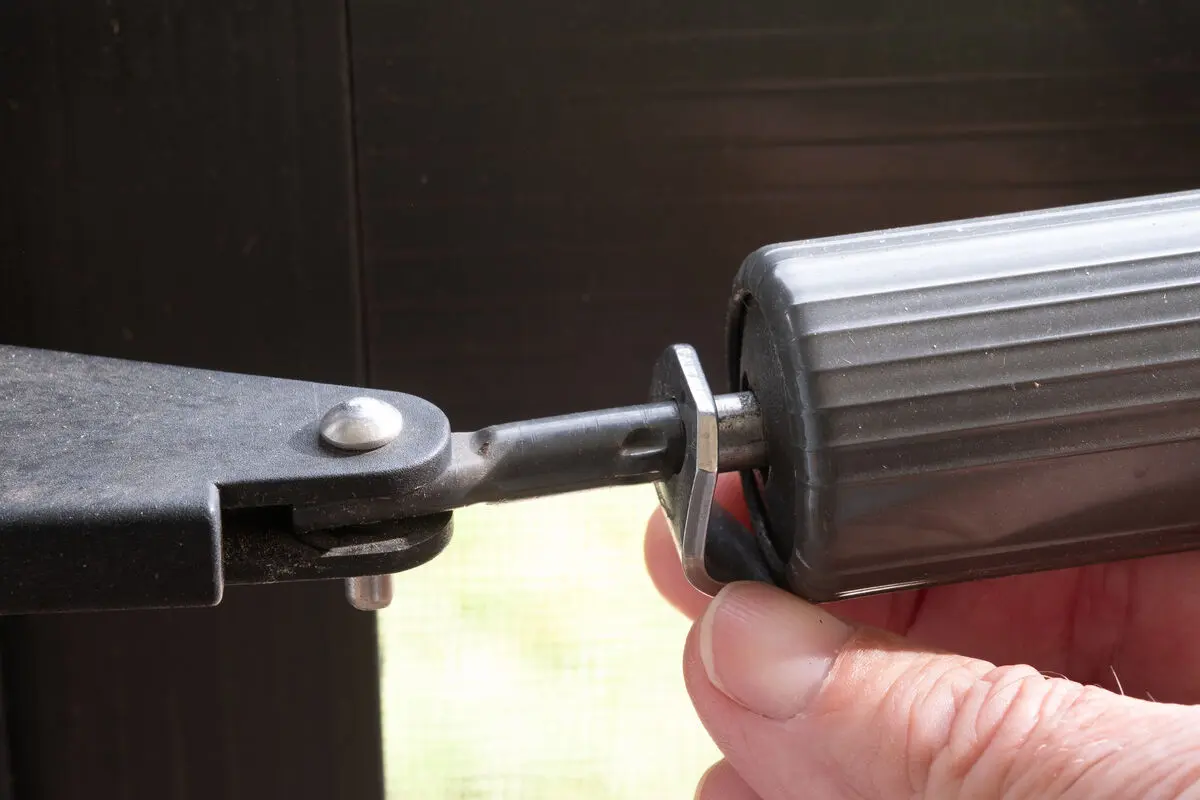
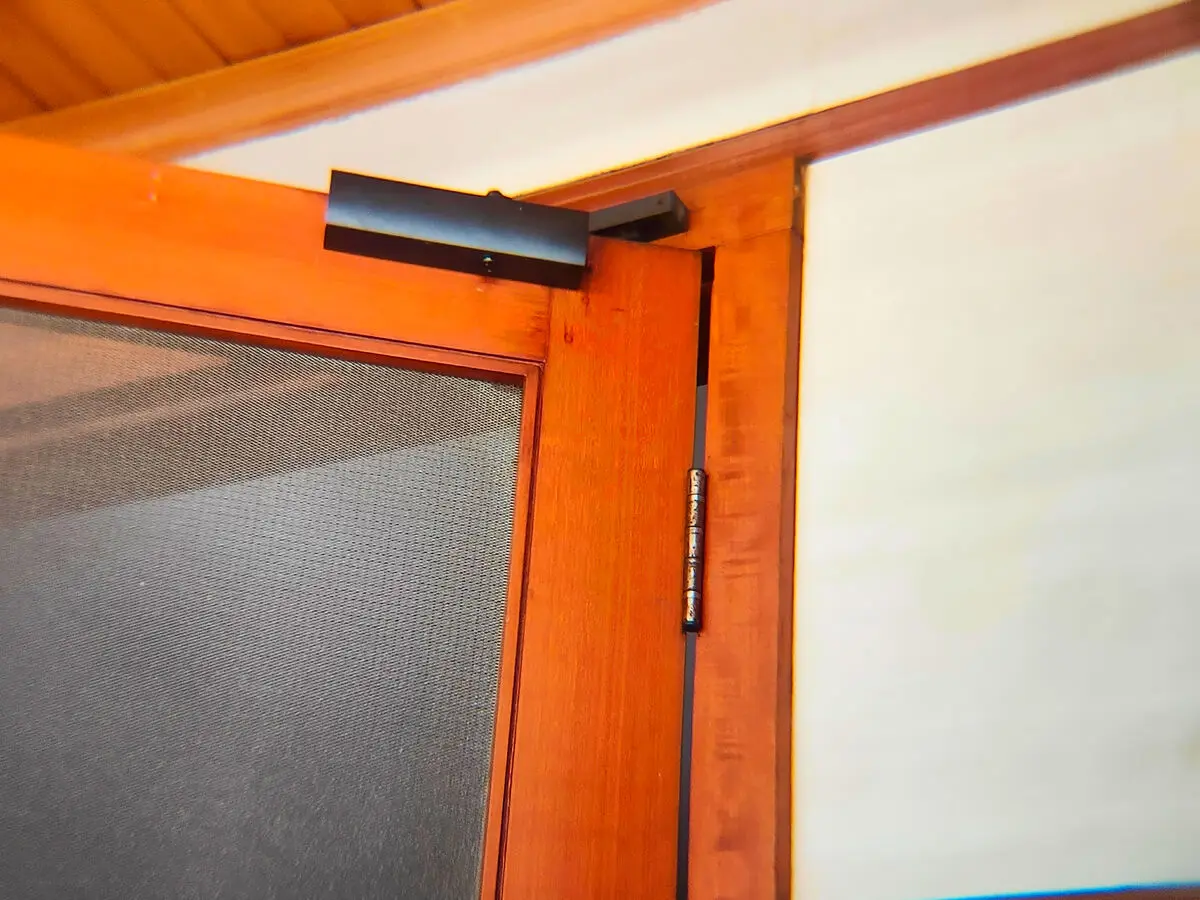
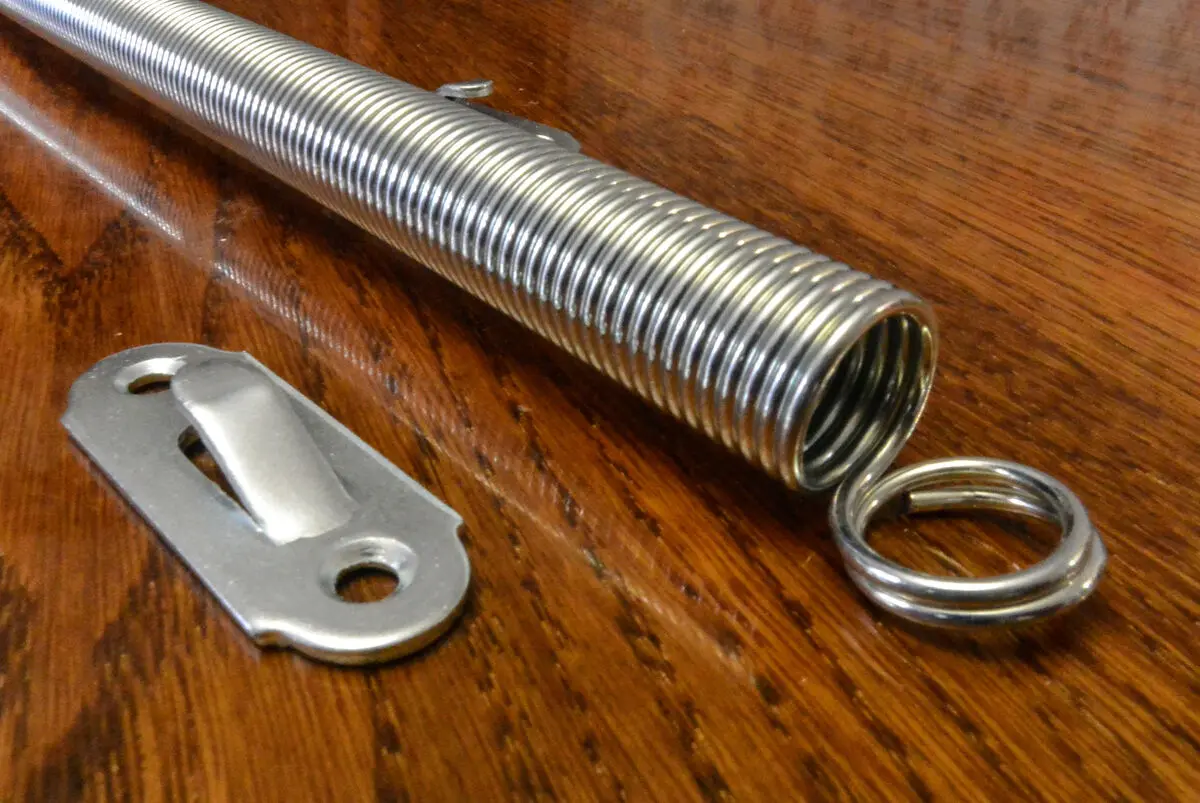
A pneumatic storm door closer contains a rod inside a sealed tube, and as you open the door, the rod extends and creates resistance that eases the door back to a gentle close. The tube attaches to the door frame with a jamb bracket on one end and to the door with a mounting bracket on the other. A small adjustment screw, usually on the door-end of the barrel, controls how fast the air or fluid flows through the mechanism, which sets the closing speed. When everything is working, the resistance releases slowly so the door settles shut without slamming against the frame.
- Reverse shock absorber: The rod creates resistance that slows the door.
- Two brackets: A jamb bracket and a door bracket hold the closer in place.
- Adjustment screw: Controls airflow and sets the closing speed.
- Smooth close: Proper resistance eases the door shut without banging.
Why Storm Doors Start Slamming
Storm doors start slamming when the closer loses its ability to control the door’s speed, usually because of a tension setting that is off, loose hardware, or a worn-out closer. A closer that has lost its air or fluid resistance cannot slow the door, so it swings shut with full force. Loose mounting brackets let the closer wobble instead of holding steady tension, and over years of use the internal seals can fail entirely. Pinpointing which of these is behind the slam is the key to choosing the right fix rather than guessing.
- Lost tension: An off adjustment lets the door close too fast.
- Air or fluid loss: A leaking closer cannot slow the door down.
- Loose hardware: Wobbling brackets prevent steady resistance.
- Worn seals: Years of use can wear the closer out completely.
5 Fixes for a Slamming Storm Door
The five fixes below move from the quickest, most common solution to a full replacement, so you can start simple and work your way up only if needed. Try them in order, since most slamming storm doors are solved by the first fix alone.
1. Adjust the Tension Screw
Adjusting the tension screw is the first and most common fix, and it solves most slamming problems in a few minutes with just a screwdriver. Knowing how to adjust storm door closer tension comes down to finding the small screw on the door-end of the closer barrel and turning it in small increments. Turning the screw clockwise raises the resistance and slows the door down, while turning it counter-clockwise lowers resistance and lets the door close faster. Make small quarter-turn or single-turn adjustments and test the door between each, since a little change makes a big difference in closing speed.
- The go-to fix: A quick tension adjustment solves most slamming doors.
- Clockwise slows it: Tighten the screw to slow the closing speed.
- Small increments: Turn a quarter to one full turn, then test.
- Tool needed: Usually just a flathead screwdriver.
2. Tighten the Mounting Brackets
Tightening the mounting brackets is the fix when the closer wobbles or the door slams despite a good tension setting, since loose hardware prevents steady resistance. Over time, the screws that hold the jamb bracket and door bracket can loosen, especially in the thin aluminum frame of a storm door, letting the closer shift as the door moves. Tighten all the screws on both brackets so the closer is held firmly in place and can do its job. If the screw holes have become stripped or cracked, the hardware can no longer hold tension and the bracket or screws will need to be replaced or relocated.
- When to try: The closer wobbles or slams despite good tension.
- Check both ends: Tighten the jamb bracket and the door bracket.
- Thin frames: Storm door aluminum loosens easily over time.
- Stripped holes: Cracked or stripped screw holes need new hardware.
3. Check for Air or Fluid Leaks
Checking for leaks is the fix when the door still closes too fast even after you have adjusted the tension screw, which points to a closer that has lost its air or fluid. A pneumatic storm door closer relies on sealed resistance, so if the internal seals fail and the closer leaks, no amount of tension adjustment will slow the door. You can test this by disconnecting the closer and compressing it by hand; a healthy closer resists and returns slowly, while a failed one moves freely with little resistance. A leaking closer cannot be repaired and will need to be replaced, which is covered in the final fix.
- Telltale sign: The door slams even after adjusting tension.
- The cause: Failed seals let the closer lose its resistance.
- Quick test: Compress the closer by hand to feel for resistance.
- The verdict: A leaking closer cannot be fixed, only replaced.
4. Reposition or Realign the Closer
Repositioning the closer is the fix when the door does not close fully, latches poorly, or binds, which often traces back to a bracket mounted in the wrong spot. The closer needs to sit at the correct position and angle so its full range of travel matches the door’s swing, and a bracket placed too high, low, or crooked throws this off. Unhook the closer, reposition the bracket so the closer rests naturally when the door is closed, and remount it squarely. Proper alignment lets the closer pull the door all the way to a secure latch without forcing or slamming.
- When to try: The door won’t latch, binds, or closes incompletely.
- The cause: A bracket mounted in the wrong position or angle.
- The fix: Reposition the bracket so the closer rests naturally.
- The result: Full, smooth travel to a secure latch.
5. Replace the Storm Door Closer
Replacing the closer is the final fix, and the right move when the closer leaks, is bent, or simply will not hold tension no matter how you adjust it. A storm door closer replacement is an inexpensive, straightforward job: you unhook the old closer from both brackets, then install a new one and set its tension to taste. New closers are widely available and affordable, typically $10 to $30 for the part, making this a budget-friendly fix for a worn-out unit. Once the new closer is mounted and the tension is dialed in, your door will close softly and latch reliably again.
- When to replace: The closer leaks, is bent, or won’t hold tension.
- Easy swap: Unhook the old closer and install the new one.
- Low cost: Replacement closers typically run $10 to $30.
- Final step: Set the tension and test for a smooth, quiet close.
When to Call a Professional
Most storm door closer problems are well within do-it-yourself range, but a few situations call for a professional to protect your door and ensure a lasting fix. Knowing where that line falls saves you frustration and prevents damage to a thin aluminum frame.
Signs the Problem Goes Beyond the Closer
Signs that the problem goes beyond the closer include a door that drags on the threshold, rubs the frame, or has bent or damaged hardware that adjustment cannot fix. If the door itself is out of alignment or the frame is bent, no closer adjustment will solve the slam, because the issue is structural rather than a matter of tension. Stripped or cracked mounting points in the thin aluminum frame can also make it impossible for brackets to hold tension securely. In these cases, a professional can assess whether the door, frame, or hardware needs repair or replacement rather than another closer adjustment.
- Dragging or rubbing: Points to door or frame alignment, not the closer.
- Bent hardware: Damaged frames and hinges need more than adjustment.
- Stripped mounts: Cracked aluminum can’t hold brackets securely.
- Structural issues: Alignment problems require professional repair.
Why Professional Help Is Worth It
Professional help is worth it when the fix involves frame damage, alignment, or a door that needs replacing, since a proper repair protects your entry and your investment. A storm door is an economical way to add light, ventilation, and draft protection to your entry, so keeping it operating smoothly preserves both its function and your home’s curb appeal. According to Family Handyman, the two holes where a pneumatic closer attaches to the door are meant for seasonal adjustment, and moving the connecting pin to the rear hole when the glass is up lets the door slow down instead of slamming as it nears the catch. When adjustments and a new closer are not enough, a seasoned technician can get your door, or a new one, working right.
- Protects your entry: Proper repair preserves function and curb appeal.
- Beyond adjustment: Frame and alignment issues need expert hands.
- Economical first: Always try the tension screw before replacing.
- Lasting fix: A professional ensures the door works right long-term.
Frequently Asked Questions About Storm Door Closers
Why does my storm door slam shut?
A storm door usually slams because the closer’s tension is set too low, the mounting brackets are loose, or the closer has lost its air or fluid and can no longer slow the door. The most common fix is adjusting the tension screw on the closer. If adjustment does not help, the closer may be worn out and need replacing.
How do I adjust a storm door closer?
To adjust a storm door closer, locate the small adjustment screw on the door-end of the closer barrel and turn it with a screwdriver in small increments. Turning it clockwise slows the closing speed, while counter-clockwise speeds it up. Make quarter-turn or single-turn adjustments and test the door between each until it closes smoothly.
How much does a storm door closer cost to replace?
A replacement storm door closer typically costs $10 to $30 for the part itself, making it one of the most affordable door repairs. The swap is straightforward and can often be done in minutes with a screwdriver. If you prefer a professional to handle it or there is frame damage, labor would add to the cost.
Can I fix a slamming storm door myself?
Yes, most slamming storm doors can be fixed yourself, usually by adjusting the tension screw or tightening the mounting brackets. Replacing a worn closer is also a simple do-it-yourself job. However, if the door drags, the frame is bent, or the mounting holes are stripped, it is best to call a professional.
Why won’t my storm door close all the way?
A storm door that won’t close all the way often has a closer mounted in the wrong position, too little tension, or a hold-open washer engaged. Check that the hold-open feature is not set, increase the tension slightly, and confirm the bracket is positioned so the closer can pull the door fully shut. Dragging on the threshold can also prevent full closing.
How long do storm door closers last?
A storm door closer typically lasts several years, though lifespan depends on use, weather exposure, and quality. Over time the internal seals wear and the closer loses its resistance, which is when slamming begins. Because replacements are inexpensive, swapping a worn closer is an easy and affordable way to restore smooth operation.
Why Cheney Door Is Your Best Choice for Storm Door Service
When a slamming storm door or a bigger entry problem has you frustrated, Cheney Door has the experience to get it closing smoothly and securely again. Locally owned and family-run since 1971, our team has spent more than five decades installing and servicing doors of every kind, and we back our work with 24/7 emergency service so a malfunctioning door is never left to bang away. We work with trusted brands and quality hardware, and our technicians can quickly tell whether your storm door needs a simple closer adjustment, a new closer, or attention to a frame or alignment issue that adjustment alone cannot fix. Because a thin aluminum storm door frame is easy to damage with the wrong approach, trusting the repair to a seasoned local team protects both your door and your entry. Reach out to Cheney Door today for expert help with your storm door or any door concern, and request your free quote to get your door working the way it should.