
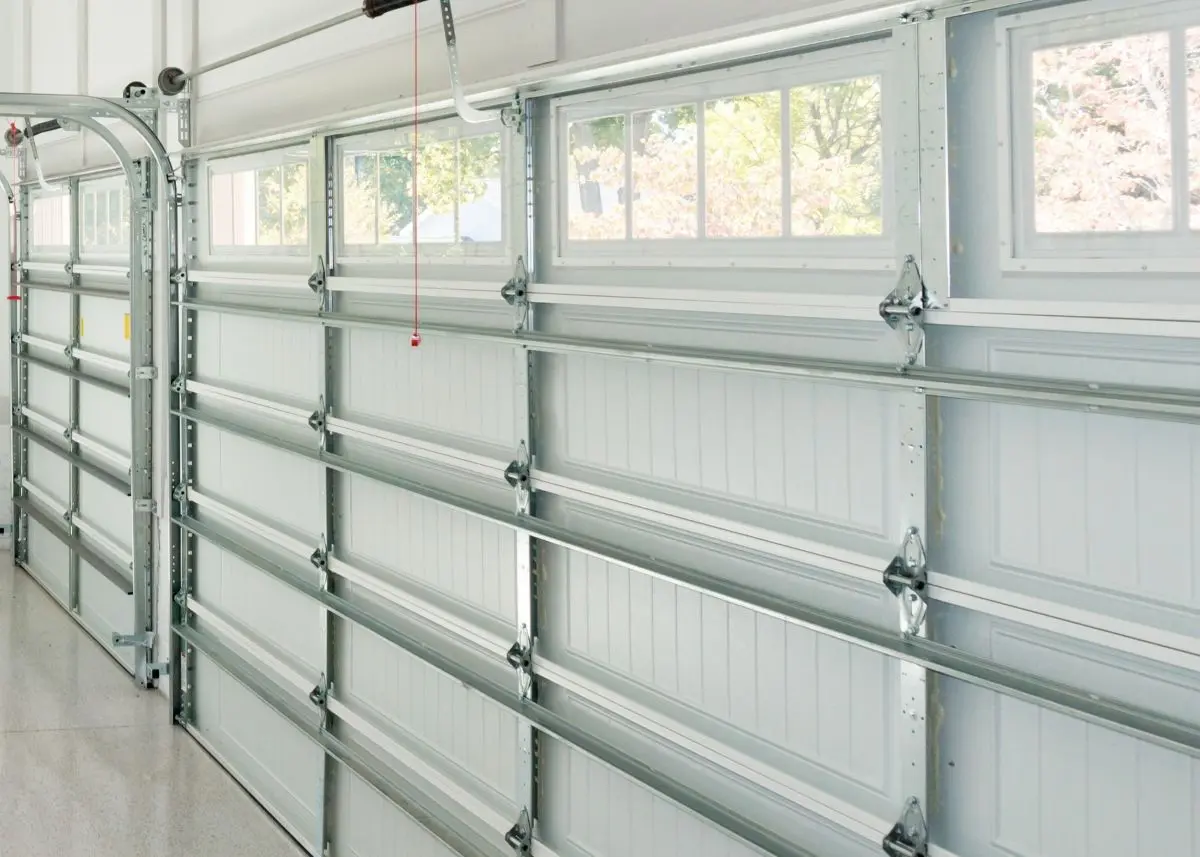
A garage door strut is a horizontal steel reinforcement bar that bolts across the back of a door section to stiffen it, and it is often the simplest fix for a door that has started to sag, bow, or flex. Many homeowners never think about this humble bracing bar until their door looks bent in the middle, feels flimsy, or rattles noisily as it moves. This guide explains exactly what a strut does, the warning signs that tell you your door needs one, and what a realistic strut installation costs.
Here is what you will learn in the sections below:
- What it does: How a strut reinforces a door section and the specific jobs it performs.
- When you need one: The clear signs and situations that call for adding a strut.
- Cost and process: What a strut installation involves and a realistic price range.
What a Garage Door Strut Does
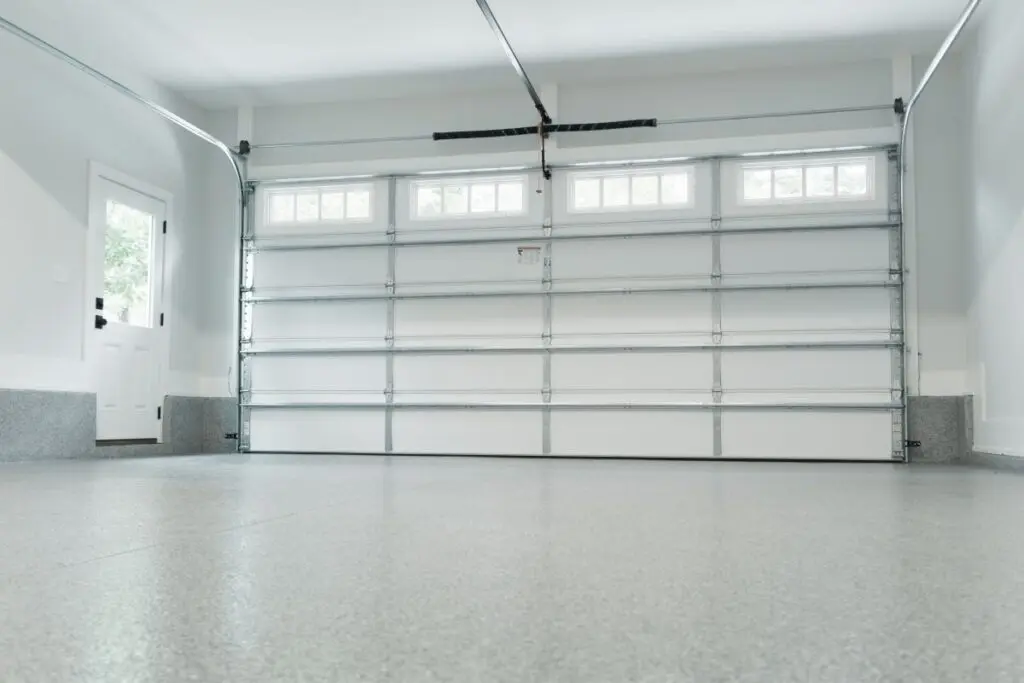
A garage door strut is a rigid horizontal bar, usually galvanized steel, that runs across the inside of a door section to add strength and prevent bending. Understanding the specific roles it plays makes it clear why this simple part solves so many common door problems.
How a Strut Reinforces a Door Section
A strut reinforces a door section by spreading stress evenly across its full width, which keeps the panel from bending, bowing, or flexing as the door operates. Wide doors, especially double-car doors, naturally flex under their own weight over time, and a strut acts like a spine that holds the section straight. It also stiffens a panel that feels flimsy, reducing the flex that causes noise and premature wear on hinges, rollers, and other hardware. By distributing load rather than letting it concentrate in the weak center of a panel, a strut restores rigidity and smooths out operation.
- Even load spread: The strut distributes stress across the full panel width.
- Straightens sections: It holds a wide panel straight against natural flex.
- Reduces flex: Stiffening a flimsy section cuts noise and hardware wear.
- Restores rigidity: The panel regains its shape and moves smoothly again.
The Key Jobs a Strut Performs
A strut performs three key jobs: preventing sag and bow, reinforcing the top section against opener pull, and helping the door resist wind. On wide doors, it stops the gradual sagging that leaves a panel looking bent in the middle. On the top section, it spreads the concentrated force of the opener arm so that panel does not bend or crack where the opener pulls. And in windy or storm-prone areas, the added rigidity helps the door hold its shape against wind pressure that could otherwise push it inward or outward. These roles make struts one of the most versatile reinforcement parts on a door.
- Prevents sag: Stops wide panels from bowing in the middle over time.
- Protects the opener section: Spreads the opener’s pull so the top panel holds.
- Resists wind: Adds rigidity that helps the door withstand wind pressure.
- Versatile support: Addresses multiple weak points with one simple bar.
5 Times When You Need a Garage Door Strut
Struts are not needed on every door, but several clear situations call for adding one to restore strength or prevent damage. The signs below tell you when a strut is the right fix for your door.
1. Your Door Is Sagging or Bowing
A visibly sagging or bowing door is the most common sign you need a strut, since bending across a panel means the section is under more stress than it can handle alone. Over time, wide and lightweight doors flex under their own weight, leaving a panel that looks bent or wavy in the middle when you view the door from the side. A properly installed strut can straighten and support the affected section, often restoring the door’s shape without a full replacement. Catching sag early and adding a strut prevents the flex from worsening into permanent warping or cracked panels.
- Clear signal: Visible bending or waviness across a panel indicates stress.
- Common on wide doors: Double-car and lightweight doors flex most.
- Restores shape: A strut can straighten and support the sagging section.
- Prevents worsening: Early reinforcement stops permanent warping.
2. You Are Adding an Automatic Opener
Adding an automatic opener is a key reason to install a strut, because the opener arm pulls on the top section and can bend or crack it without reinforcement. When a motorized opener lifts the door, it concentrates force on the top panel where the arm attaches, a stress a manually operated door never experienced. A top-section strut spreads that load across the panel so it stays flat and intact through thousands of opener cycles. This is why reinforcing the top section is standard practice whenever an opener is added to a door that did not have one.
- Opener stress: The arm concentrates force on the top section.
- Prevents cracking: A strut spreads that pull so the panel holds.
- Standard practice: Top-section reinforcement is routine with new openers.
- Long-term durability: Protects the panel through thousands of cycles.
3. Your Door Is Exposed to High Winds
A door in a windy or storm-prone area often needs one or more struts to help it resist the wind pressure that can push a large door inward or pull it outward. Garage doors are typically the largest opening in a home, so they take significant wind load during storms, and a flexing or failing door can let wind and water into the structure. According to the Federal Alliance for Safe Homes, horizontal struts are one of the features that strengthen and reinforce a garage door against buckling, and research from the National Institute of Standards and Technology found that homes with intact garage doors after a severe wind event are more likely to keep their roofs and adjacent walls. Adding struts as part of proper wind reinforcement helps a door hold its shape when it matters most.
- Large wind load: The door is usually the biggest opening in a home.
- Serious stakes: A failed door lets wind and water into the structure.
- Reinforceable: Struts strengthen a door at its weakest points.
- Storm protection: Added rigidity helps the door resist wind pressure.
4. A Section Feels Flimsy or Rattles
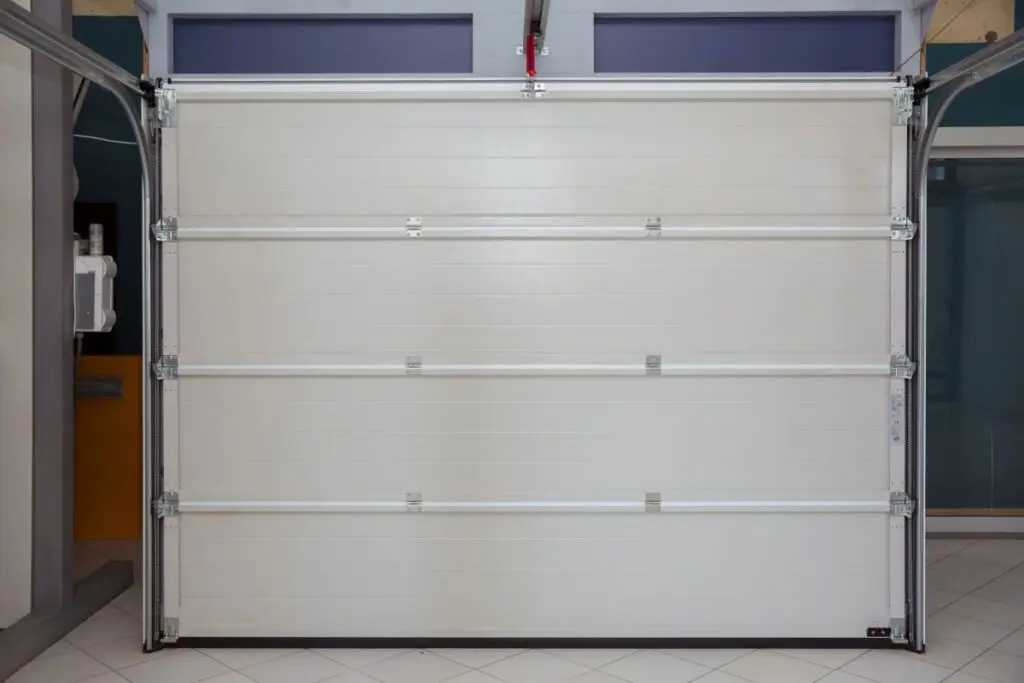
A door section that feels flimsy, flexes when you push on it, or rattles loudly during operation is a candidate for a strut even before visible sagging appears. Thin or lightweight panels can vibrate and flex as the door moves, creating noise and putting extra stress on hinges and rollers. Adding a strut stiffens the section so it moves as a solid unit, quieting the rattle and reducing wear on the surrounding hardware. This is the quiet-fix aspect of struts that many homeowners appreciate, turning a noisy, flexing door into one that operates smoothly and solidly.
- Early warning: Flex and rattle can precede visible sagging.
- Noise source: Vibrating panels create rattles during operation.
- Solid movement: A strut makes the section move as one unit.
- Less wear: Reduced flex eases stress on hinges and rollers.
5. Your Door Has Taken Storm or Impact Damage
A door that has been struck or exposed to a strong storm is a strong candidate for a strut, since impact and high winds can leave a section weakened or slightly bent even when it still operates. A minor bump from a vehicle, a fallen branch, or a blast of storm wind can compromise a panel’s rigidity in ways that worsen with every cycle if left unaddressed. Adding a strut can restore structural integrity to the affected section without the expense of replacing the whole door, so long as the panel is not cracked beyond repair. Reinforcing after damage catches a weak point early and keeps a single incident from turning into a failing door.
- Hidden weakening: Impact or wind can compromise a panel that still works.
- Common causes: Vehicle bumps, fallen branches, and storm gusts.
- Restores integrity: A strut braces the weakened section back to strength.
- Avoids replacement: Reinforcement is cheaper than a new door or panel.
Strut Installation Cost and Process
Adding a strut is a relatively affordable, straightforward reinforcement, though correct placement and hardware matter for it to work properly. Knowing the cost and what the job involves helps you plan the fix.
What Strut Installation Involves
Strut installation involves measuring the section, cutting the strut to length if needed, and bolting it horizontally across the back of the panel with the correct clips and fasteners. The strut must be positioned and secured evenly so it braces the panel straight, since a crooked or loosely mounted strut will not properly distribute the load. On opener-equipped doors, the top section is a priority, while wide doors may need struts on multiple sections depending on width and exposure. Because proper placement, the right number of struts, and secure mounting all affect the result, this is a job best matched to the door by a knowledgeable installer.
- Precise fit: The strut is measured, cut if needed, and mounted level.
- Correct hardware: Proper clips and fasteners hold it securely.
- Right placement: Top section for openers; multiple struts for wide doors.
- Even mounting: Straight, secure installation ensures proper load spread.
Typical Strut Cost
Strut installation is one of the more affordable garage door repairs, making it an easy way to extend the life of a sagging or flexing door. A single strut with professional installation typically costs about $50 to $150 depending on the door width and how many struts are needed, and it is often bundled with a tune-up or opener installation. The strut hardware itself is inexpensive, so most of the cost reflects labor and proper mounting. Compared to replacing a warped door or a cracked panel, adding a strut is a low-cost fix that prevents far more expensive problems down the road.
- Affordable repair: Roughly $50 to $150 per strut installed.
- Often bundled: Frequently paired with a tune-up or opener install.
- Low part cost: The strut hardware itself is inexpensive.
- Prevents bigger bills: Cheaper than replacing a warped door or panel.
Frequently Asked Questions About Garage Door Struts
How much does a garage door strut cost?
A garage door strut typically costs about $50 to $150 installed per strut, depending on the door width and how many struts are needed. The strut hardware itself is inexpensive, so most of the cost is labor and proper mounting. It is often bundled with a tune-up or opener installation to save on a separate visit.
Do I need a strut on my garage door?
You need a strut if your door is sagging or bowing, if you are adding an automatic opener, or if your door is exposed to high winds. A flimsy or rattling section is also a good candidate. Not every door needs one, so a professional can confirm whether and where struts would help your specific door.
Can I install a garage door strut myself?
A handy homeowner may be able to install a strut, but correct placement, the right number of struts, and secure, level mounting are essential for it to work. Improper installation can leave the panel unsupported or misaligned. Because struts often accompany opener work near high-tension springs, having a professional handle it is the safest choice.
Will a strut fix a bent garage door panel?
A strut can often straighten and support a panel that is sagging or bowing, restoring the door’s shape and preventing further bending. However, a panel that is severely cracked or permanently warped may need replacement instead. A technician can assess whether a strut will fix the section or whether the panel is too damaged.
How many struts does a garage door need?
The number of struts depends on the door’s width, weight, and wind exposure. Many doors need only a single top-section strut for opener reinforcement, while wide double-car doors or those in windy areas may need several. A professional can determine the correct number for your door based on its size and use.
Do garage door struts help with noise?
Yes, struts often reduce noise by stiffening a flimsy or flexing section so it moves as a solid unit rather than vibrating. This cuts down on rattling during operation and reduces stress on hinges and rollers. For a door that rattles as it moves, a strut can be a simple, effective quiet fix.
Why Cheney Door Is Your Best Choice for Garage Door Struts
When your door starts to sag, flex, or rattle, Cheney Door has the experience to reinforce it correctly and quiet it down for good. Locally owned and family-run since 1971, our team has spent more than five decades diagnosing and repairing garage doors, and we back our work with 24/7 emergency service so a sagging or damaged door is never left to worsen. We service and install trusted brands including Clopay, Amarr, Raynor, CHI, and Hampton Bay, and our technicians know exactly where and how to place struts to straighten a section, reinforce it for an opener, or strengthen it against wind. Because proper strut placement and secure mounting are what make the fix last, and because struts often accompany work near high-tension springs, trusting the job to a seasoned local team protects both your door and your safety. Reach out to Cheney Door today for expert help with a sagging or flexing door, and request your free quote to get the simple, lasting fix your door needs.