
Understanding garage door installation cost is important for homeowners planning a replacement or new installation project in 2026. While many people focus only on the price of the garage door itself, the total cost often depends on labor, materials, insulation, door size, and additional upgrades that affect long term performance.
- Material selection: Different garage door materials vary significantly in price and durability.
- Installation complexity: Larger doors or structural modifications increase labor costs.
- Optional upgrades: Insulation, windows, and smart technology can raise the total investment.
Knowing what impacts pricing helps homeowners budget more accurately and avoid unexpected costs during installation.
Why Garage Door Installation Costs Vary So Much
Garage door installation pricing is not one size fits all. Two homes in the same neighborhood may receive very different quotes depending on the type of garage door selected and the condition of the garage opening.
Some installations are straightforward replacements that require minimal labor. Others involve structural framing changes, electrical work, or upgraded hardware systems that increase both time and material costs.
Regional labor rates also affect pricing. In the Cheney area and surrounding Kansas communities, garage door installation costs are often more affordable than in larger metropolitan areas, but premium materials and custom designs can still increase the overall project total.
Another important factor is the quality of the installation itself. Experienced installers may charge slightly more, but professional installation helps ensure proper balance, smoother operation, and longer equipment lifespan.
Average Garage Door Installation Costs in 2026
Most homeowners in the Cheney area can expect garage door installation costs to fall within a broad range depending on the door type and project scope.
Common Local Price Ranges
Below are typical price ranges homeowners may encounter in 2026:
- Basic single steel garage door: $900 to $1,500 installed.
- Insulated steel garage door: $1,400 to $2,500 installed.
- Double garage doors: $1,800 to $4,000 installed.
- Custom wood or specialty doors: $4,000 to $8,000 or more installed.
- Modern aluminum glass doors: $3,500 to $7,000 installed.
These ranges represent common residential installations and may vary depending on manufacturer availability, customization, and hardware requirements.
Labor Costs
Installation labor typically ranges from $300 to $800 depending on the complexity of the project.
- Standard replacements: Lower labor costs due to simpler installation.
- Custom or oversized doors: Higher labor costs because of additional adjustments and reinforcement.
Labor may also increase if the installer needs to modify framing, tracks, or opener systems.
5 Pricing Factors That Affect Garage Door Installation Cost
Several key factors influence how much homeowners ultimately pay for garage door installation. Understanding these variables helps homeowners make informed decisions.
1. Garage Door Material
The material used to build the garage door is one of the biggest cost drivers. Some materials are more affordable and practical, while others prioritize appearance and customization.
- Steel doors: Most affordable and widely used option.
- Wood doors: Premium appearance but significantly more expensive.
- Aluminum and glass: Modern look with higher material costs.
- Composite doors: Blend durability with decorative finishes.
Material selection affects not only the upfront price but also maintenance and long term durability.
2. Door Size and Configuration
Larger garage doors require more material, stronger springs, and additional installation labor.
Single garage doors generally cost less than double doors because they use smaller panels and lighter hardware systems.
- Single doors: Lower material and labor costs.
- Double doors: Require heavier hardware and stronger opener systems.
- Custom oversized doors: Often require specialty track configurations.
The larger the opening, the greater the overall installation complexity.
3. Insulation and Energy Efficiency
Insulated garage doors cost more upfront but provide several long term benefits.
Many homeowners choose insulated doors to improve temperature control and reduce outside noise. This is especially important for attached garages or garages used as workshops.
- Single layer doors: Lowest cost but minimal insulation.
- Double layer doors: Moderate insulation and durability.
- Triple layer doors: Best energy efficiency and strength.
Higher insulation values often increase the initial installation price but may reduce energy costs over time.
4. Custom Features and Design Upgrades
Decorative upgrades can significantly impact garage door installation cost. Many homeowners choose windows, hardware accents, or specialty finishes to improve curb appeal.
- Decorative windows: Increase both material and installation costs.
- Custom paint or stains: Often require additional manufacturing time.
- Designer hardware: Adds visual appeal but raises overall pricing.
Modern garage door styles with glass panels or custom finishes are especially popular in 2026.
5. Garage Door Opener Compatibility
Not every existing opener works properly with a new garage door. Heavier or insulated doors may require upgraded opener systems.
- Standard openers: May work for lightweight steel doors.
- Heavy duty openers: Often required for oversized or insulated doors.
- Smart openers: Add convenience but increase total project costs.
Replacing the opener during installation can improve long term reliability and performance.
Additional Costs Homeowners Often Overlook
Garage door installation projects sometimes include additional expenses that homeowners do not initially expect.
Removal of the Existing Door
Many installers charge separately for removing and disposing of the old garage door system.
- Removal fees: Often range from $75 to $200.
- Disposal costs: May depend on local recycling requirements.
Some installation companies include removal in their quotes, while others charge separately.
Structural Repairs
Occasionally, installers discover framing damage or structural issues once the old door is removed.
- Wood rot around openings: Common in older garages.
- Track reinforcement needs: May require additional hardware.
Addressing these problems during installation helps ensure safe operation.
Electrical Upgrades
If a new opener requires updated wiring or additional outlets, electrical work may increase the project cost.
Professional installers can determine whether the garage’s electrical setup supports the new system.
Why Professional Installation Matters
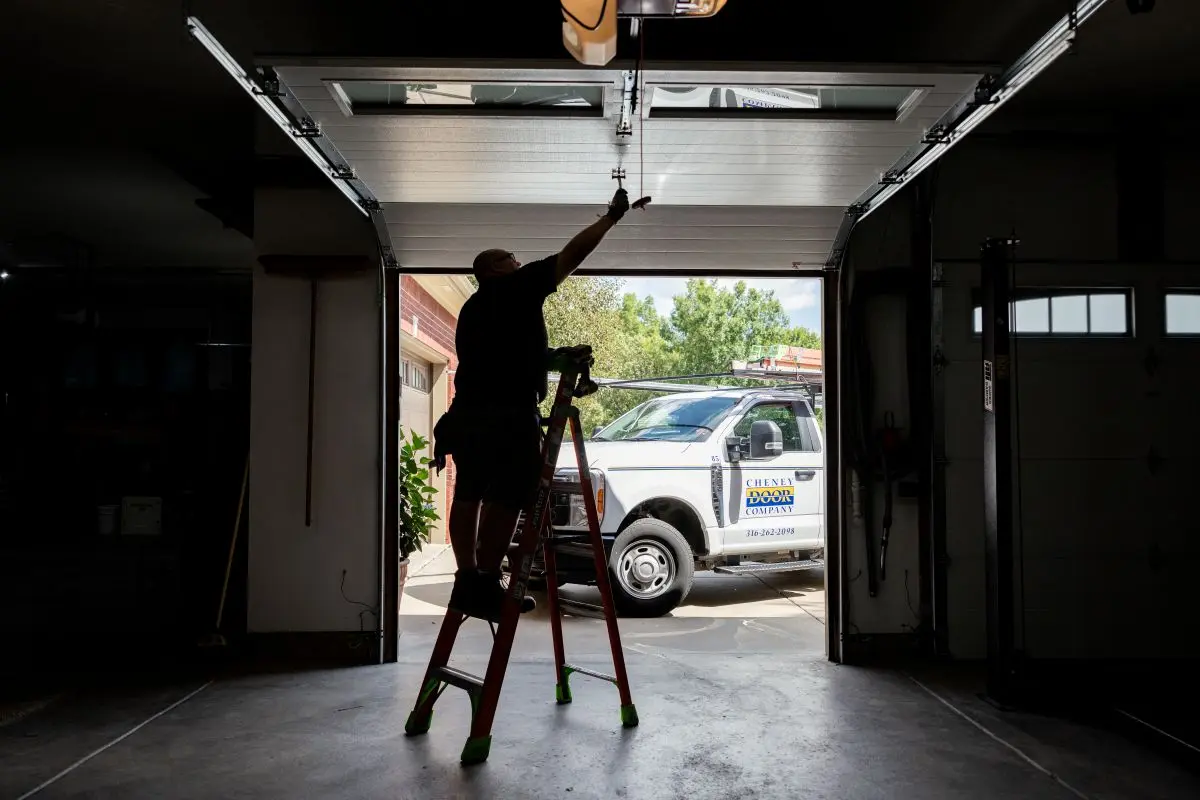
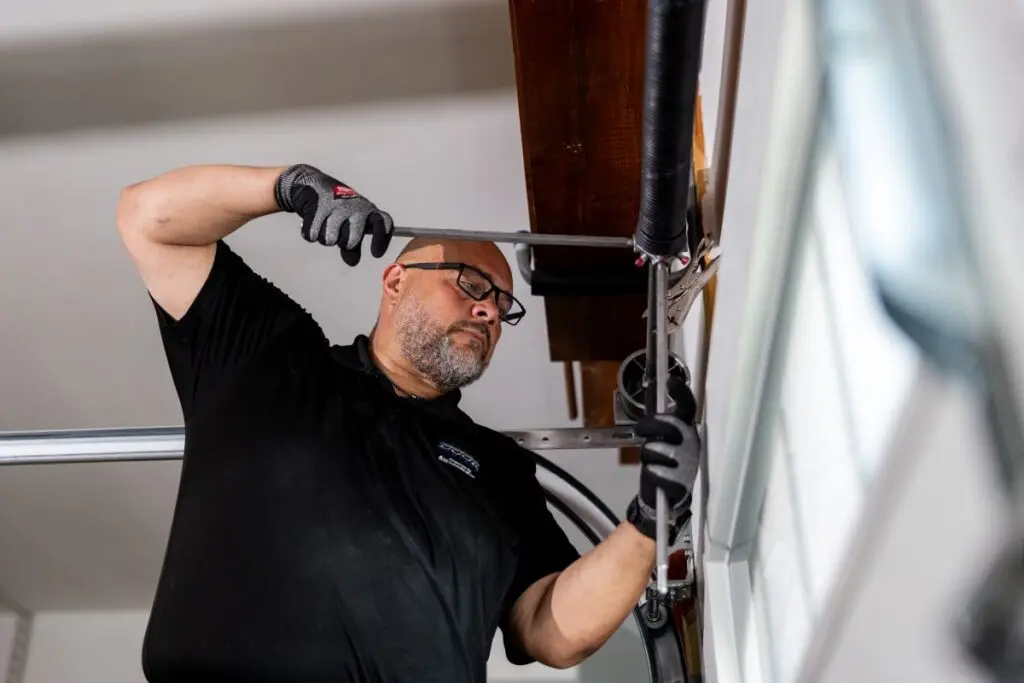
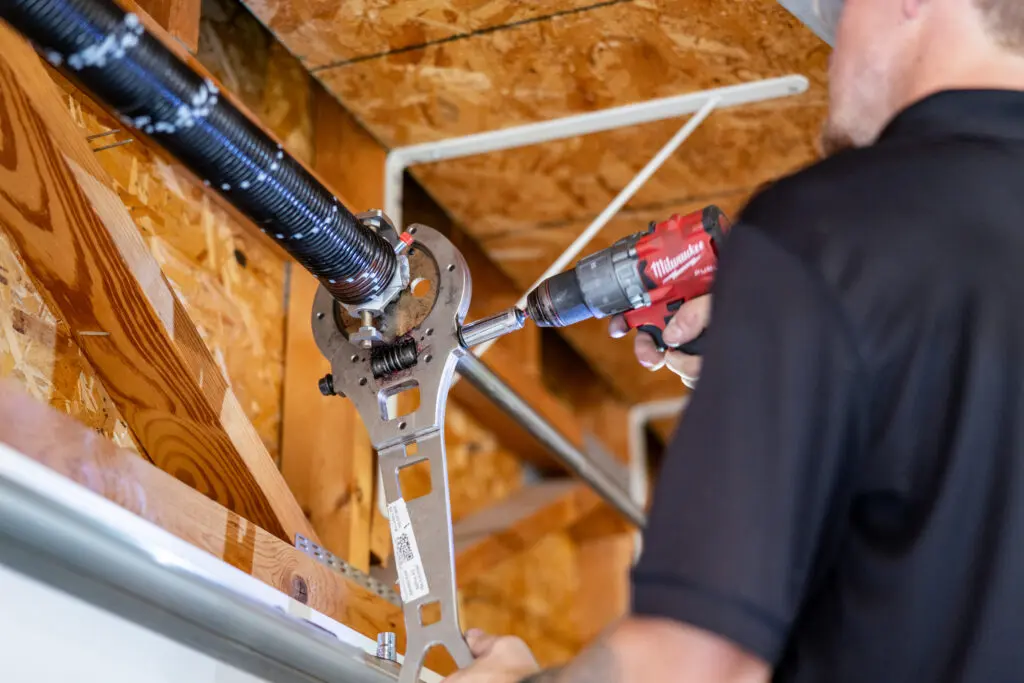
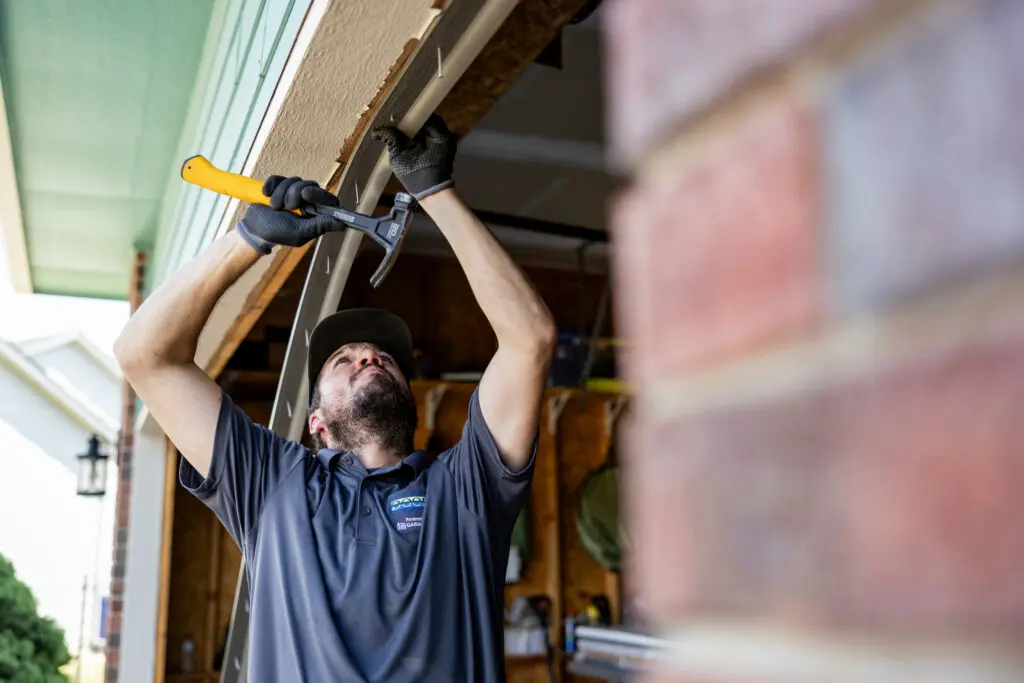
Garage doors are heavy systems that rely on carefully balanced springs and tracks. Improper installation can lead to premature wear, safety hazards, and costly repairs.
Professional technicians ensure that springs are calibrated correctly, tracks are aligned, and safety systems function properly. This helps extend the lifespan of both the door and opener.
Experienced installers can also recommend the best garage door style and hardware configuration based on the home’s layout and usage needs.
For most homeowners, professional installation is the safest and most reliable option.
Upgrade Your Garage with Cheney Door Company
Garage door installation cost depends on several important factors, from material selection to insulation and hardware upgrades. Understanding these pricing impacts helps homeowners choose the right garage door for their budget and long term needs.
Cheney Door Company helps homeowners throughout the Cheney area select and install high quality garage doors designed for durability, efficiency, and curb appeal. Our experienced team provides professional guidance and expert installation to ensure every project is completed correctly.
Contact Cheney Door Company today for a free quote and learn more about your garage door installation options for 2026.