


Dock levelers are the adjustable steel platforms that bridge the gap between your loading dock and a trailer bed, letting forklifts roll safely between the warehouse floor and the truck. Choosing the right one is a decision that affects your facility’s throughput, safety, and long-term operating costs, since the wrong leveler can slow loading, strain equipment, or fail to handle your traffic. This guide breaks down the five main dock leveler types, explains how each works, and walks you through how to match one to your trailers, volume, and budget.
Here is what you will learn in the sections below:
- The five types: How hydraulic, mechanical, air-powered, edge-of-dock, and vertical levelers differ.
- How to choose: The capacity, trailer, and volume factors that point you to the right leveler.
- Safety and upkeep: The standards that govern dock levelers and what maintenance each type needs.
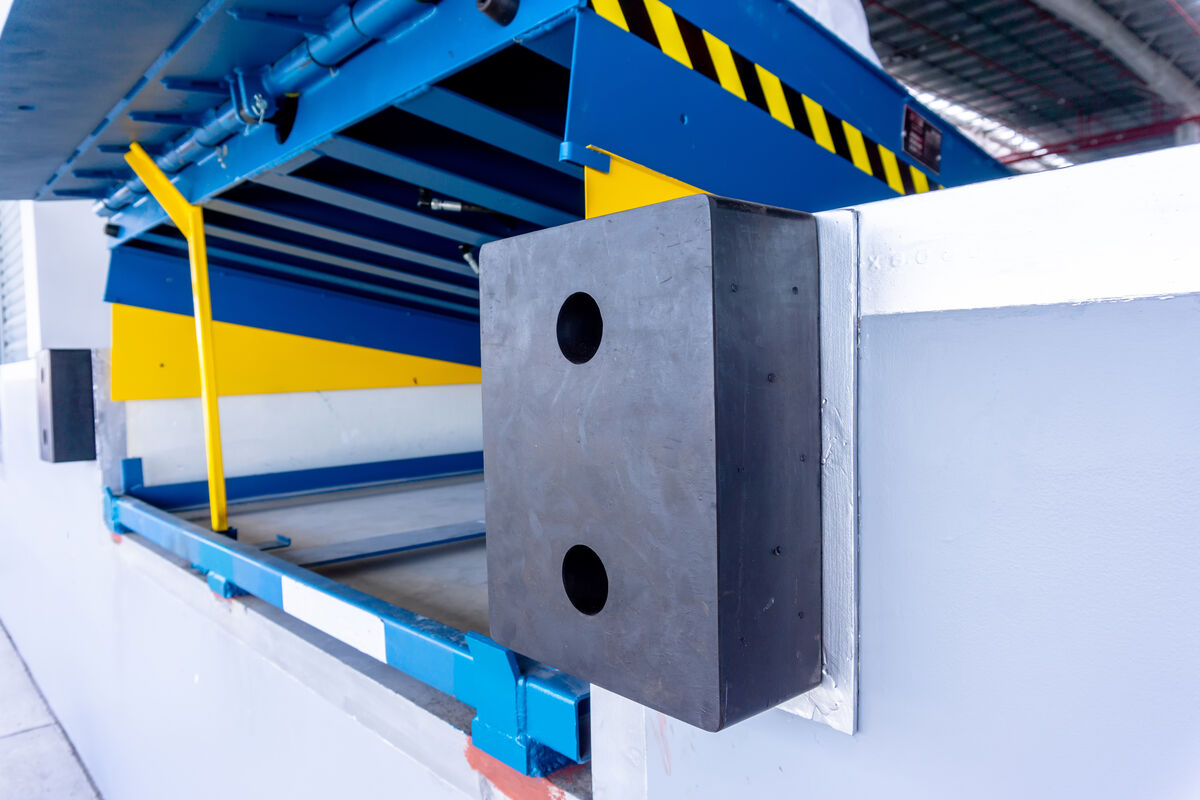
How Dock Levelers Work
A dock leveler bridges the height difference between a stationary dock and a parked trailer, adjusting up and down and extending a lip onto the truck bed so vehicles can cross smoothly. Understanding this basic function and how installation styles differ sets up the comparison of types that follows.
Bridging the Dock-to-Trailer Gap
A dock leveler bridges the gap between a loading dock and the bed of a vehicle to make loading and unloading safe and efficient, compensating for the height difference and the way a trailer shifts under weight. As forklifts move pallets in and out, the trailer rises and falls on its suspension, and the leveler flexes to keep a continuous, drivable surface. Without one, the gap and height mismatch between dock and trailer would make forklift crossing unsafe or impossible. This bridging role is why the leveler is one of the most heavily used pieces of equipment at any busy dock.
- Height adjustment: The leveler raises and lowers to meet the trailer bed.
- Continuous surface: It flexes as the trailer moves under forklift weight.
- Safe crossing: A smooth bridge lets forklifts roll in and out safely.
- Heavy use: The leveler cycles constantly throughout a workday.
Pit-Style Versus Edge-of-Dock Installation
Dock leveler installation generally falls into two categories, pit-style and edge-of-dock, and the distinction shapes both cost and capability. A pit leveler is installed in a recessed pit or cavity built into the dock floor so its platform sits flush at dock level when stored, offering a wide working range and high capacity. An edge of dock leveler, by contrast, mounts directly to the face of the dock wall and needs no pit, making it a compact, lower-cost option for docks with consistent trailer heights. Knowing which installation style your facility can accommodate is the starting point for choosing among the specific types.
- Pit-style: Installed in a recessed pit, offering wide range and high capacity.
- Edge-of-dock: Mounts to the dock face with no pit, saving cost and space.
- Range difference: Pit levelers adjust further than edge-of-dock units.
- Facility fit: Your dock structure determines which style is feasible.
5 Types of Dock Levelers
The five dock leveler types below cover the range of options for modern loading docks, from simple mechanical units to powered hydraulic systems. Each entry explains how it works and who it suits best so you can narrow down the right fit for your operation.
1. Hydraulic Dock Levelers
A hydraulic dock leveler uses a powered hydraulic cylinder to raise the platform and extend the lip at the push of a button, offering the smoothest and most reliable operation available. These levelers provide the widest working range, which makes them ideal for high-volume facilities and docks that serve trailers of varying heights. Push-button operation reduces the physical strain on workers and the wear that comes from manual activation, and many models add safety features like overload protection. Hydraulic units cost more up front and have more components to maintain, but they are the standard choice for busy, demanding docks.
- Best for: High-volume docks and facilities with varying trailer heights.
- Operation: Push-button hydraulic power raises the platform and lip.
- Advantages: Smoothest operation, widest range, and low worker strain.
- Trade-off: Higher upfront cost and more components to service.
2. Mechanical Dock Levelers
A mechanical dock leveler operates using a spring-loaded system that the operator activates by pulling a release chain, making it a dependable and more affordable alternative to hydraulic units. When the operator pulls the chain, the springs raise the platform, and walking the leveler down onto the trailer extends the lip. These levelers suit facilities with moderate traffic and consistent loads where a powered system is not essential. The main considerations are that they require manual effort to operate and their springs need periodic adjustment, but their lower cost and proven design keep them popular.
- Best for: Moderate-traffic docks seeking a lower-cost option.
- Operation: A pull-chain releases springs that raise the platform.
- Advantages: Affordable, dependable, and simple proven design.
- Trade-off: Manual effort to operate and periodic spring adjustment.
3. Air-Powered Dock Levelers
An air-powered dock leveler uses an inflatable airbag and blower to raise the platform at the push of a button, combining powered convenience with fewer moving parts than a hydraulic system. The blower inflates the bag to lift the leveler, and push-button operation gives it much of the ease of a hydraulic unit at a more moderate price point. These levelers are a strong middle option for facilities that want powered operation without the full cost and maintenance of hydraulics. Because the airbag system has fewer components than hydraulics, many facilities find them a reliable, lower-maintenance powered choice.
- Best for: Docks wanting powered ease at a moderate price.
- Operation: A blower inflates an airbag to raise the platform.
- Advantages: Push-button convenience with fewer moving parts.
- Trade-off: Less working range than high-capacity hydraulic units.
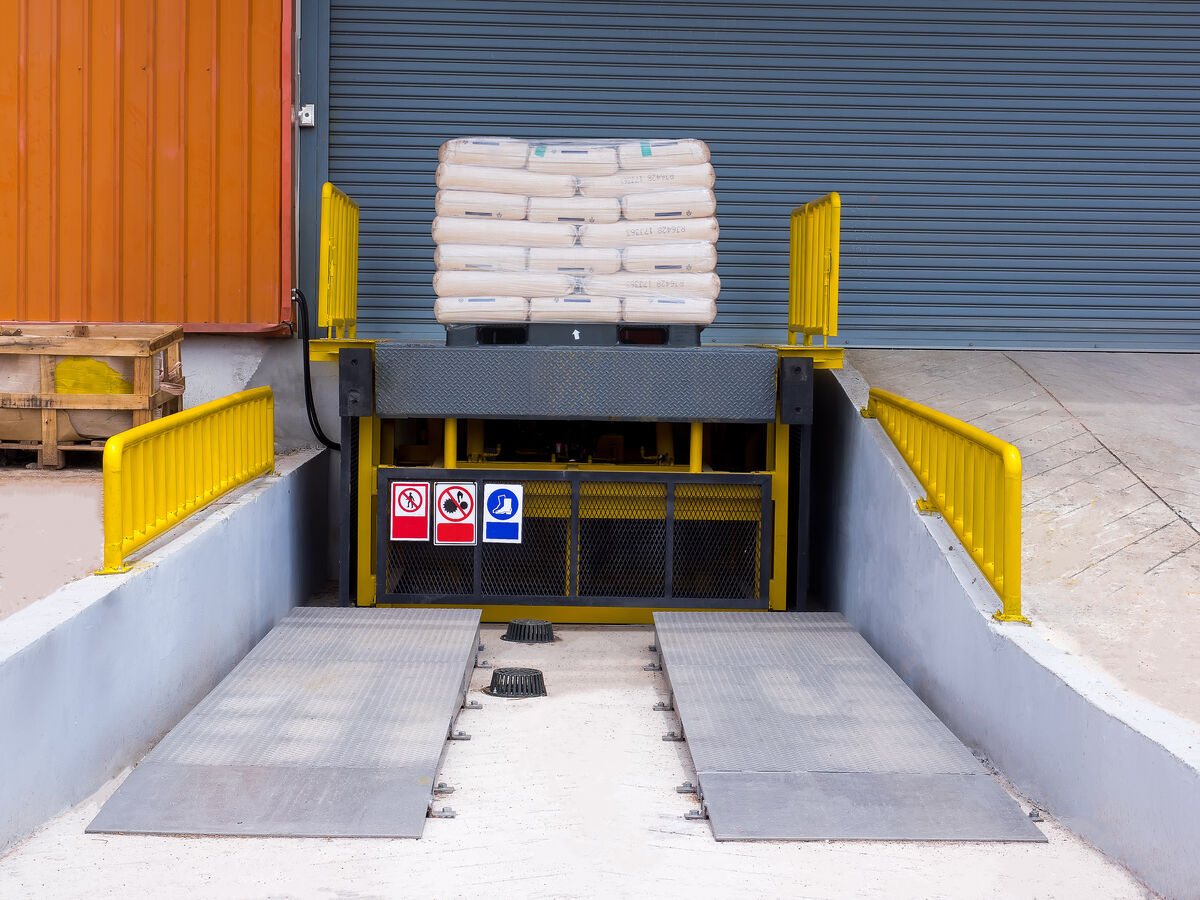
4. Edge-of-Dock Levelers
An edge-of-dock leveler is a compact unit mounted directly to the face of the loading dock, offering a cost-effective solution for operations with minimal height differences between dock and trailer. Because it needs no pit, it is far less expensive to install than pit-style levelers and works well where trailer heights are consistent and loads are lighter. The trade-off is a limited vertical range and a shorter lip, so it is best suited to docks that serve similar trailers day in and day out. For facilities with predictable traffic and modest budgets, an edge-of-dock leveler is often the most practical choice.
- Best for: Docks with consistent trailer heights and lighter loads.
- Installation: Mounts to the dock face with no pit required.
- Advantages: Low cost, compact, and simple to install.
- Trade-off: Limited vertical range and shorter lip reach.
5. Vertical-Storing Dock Levelers
A vertical-storing dock leveler stores in an upright position with its platform raised and lip hanging down, which lets the dock door close all the way to the pit floor. This design is the preferred choice for temperature-controlled, food-grade, and clean environments because closing the door fully seals out air, pests, and contaminants for better energy efficiency and sanitation. Vertical levelers are typically hydraulic and carry a higher price, but they pay back in reduced energy loss and compliance with strict facility standards. For cold storage and food or pharmaceutical operations, the sealing benefit makes them well worth the investment.
- Best for: Cold storage, food-grade, and clean or sealed facilities.
- Operation: Stores upright so the dock door closes fully to the floor.
- Advantages: Superior sealing, energy efficiency, and sanitation.
- Trade-off: Higher cost, typically hydraulic construction.
How to Choose the Right Dock Leveler
Selecting the right dock leveler comes down to matching capacity, trailer characteristics, and traffic volume to the right type, within your budget and facility constraints. Working through these factors methodically leads to a leveler that performs safely for years.
Matching Capacity to Your Traffic
Matching the leveler’s capacity to your heaviest loaded forklift is the most important sizing decision, since an underrated leveler is both unsafe and prone to early failure. The industry approach starts with the forklift’s gross vehicle weight, including its load, multiplied by a dynamic factor of about 2.5 for standard-duty operations, then adds a safety margin. Choosing a leveler rated comfortably above that calculated figure accounts for load variation, operator habits, and future growth. Because dock levelers are governed by recognized performance standards, selecting a properly rated and certified unit protects both your workers and your equipment.
- Start with GVW: Use the loaded forklift’s gross vehicle weight.
- Apply a factor: Multiply by about 2.5 for standard-duty use.
- Add a margin: Size above the figure for variation and growth.
- Choose certified: Pick a unit rated to recognized standards.
Weighing Trailer Types, Volume, and Budget
Weighing your trailer variety, loading volume, and budget together points you toward the type that fits your operation best. Facilities with widely varying trailer heights benefit from the wide range of hydraulic levelers, while docks serving consistent trailers can save with an edge-of-dock unit. High-volume, around-the-clock docks justify powered hydraulic or air systems that reduce labor and wear, whereas moderate traffic may be well served by a mechanical leveler. Balancing these operational needs against upfront cost and long-term maintenance gives you the clearest path to the right choice.
- Trailer variety: Varying heights favor wide-range hydraulic levelers.
- Loading volume: Heavy, constant traffic justifies powered systems.
- Budget balance: Weigh upfront cost against long-term maintenance.
- Future needs: Factor in anticipated growth and changing trailers.
Dock Leveler Safety and Maintenance
Dock levelers are safety-critical equipment governed by federal and industry standards, and keeping them properly maintained protects both workers and uptime. Understanding the standards and upkeep needs helps you operate your dock responsibly.
Standards That Govern Dock Levelers
Dock levelers are regulated as safety equipment under both federal rules and industry performance standards that define how they must be designed, tested, and used. According to the Occupational Safety and Health Administration, dockboards, which include dock levelers, must be capable of supporting the maximum intended load and are addressed under its walking-working surfaces regulation. On top of that, the ANSI MH30.1 standard sets the performance and testing requirements that certified levelers must meet. Choosing equipment that complies with these standards is essential to a safe, compliant loading dock.
- OSHA coverage: Dock levelers fall under federal dockboard regulation.
- Load support: Units must support the maximum intended load.
- ANSI MH30.1: Sets performance and testing requirements for levelers.
- Compliance first: Certified equipment protects workers and the facility.
Maintenance Needs by Type
Dock leveler maintenance keeps the equipment safe and operating reliably, and the amount needed varies by type and traffic. Hydraulic and air-powered levelers have more moving parts, so they need regular checks of fluid, seals, hoses, and lip hinges, while mechanical units require periodic spring adjustment and lubrication. Edge-of-dock levelers are the simplest and need the least upkeep, though all types benefit from routine inspection of the lip, platform, and safety features. Scheduling regular professional maintenance catches wear early, prevents costly downtime, and keeps the leveler compliant with safety requirements.
- Hydraulic and air: Check fluid, seals, hoses, and lip hinges regularly.
- Mechanical: Adjust springs and lubricate moving parts periodically.
- Edge-of-dock: Simplest upkeep, with routine lip and platform checks.
- Routine inspection: Scheduled service prevents downtime and keeps compliance.
Frequently Asked Questions About Dock Levelers
How much does a dock leveler cost?
Dock leveler costs vary widely by type, with edge-of-dock units being the most affordable and vertical-storing hydraulic levelers the most expensive. Pit-style hydraulic and air-powered levelers fall in the middle, with installation adding to the total. Request an itemized quote based on your dock structure, capacity needs, and the type that fits your operation.
What is the difference between a hydraulic and mechanical dock leveler?
A hydraulic dock leveler uses powered push-button operation for the smoothest, widest-range performance, while a mechanical dock leveler uses a spring system activated by a pull chain and manual effort. Hydraulic units cost more but reduce labor and wear, making them better for high-volume docks. Mechanical levelers are more affordable and suit moderate traffic.
How do I choose the right dock leveler capacity?
Start with your heaviest loaded forklift’s gross vehicle weight, multiply by a dynamic factor of about 2.5 for standard-duty use, and then add a safety margin for variation and future growth. Choose a certified leveler rated comfortably above that figure. Sizing to the exact threshold leaves no room for real-world variability.
What is an edge-of-dock leveler best for?
An edge-of-dock leveler is best for facilities with consistent trailer heights and lighter loads, since it mounts to the dock face without a pit and costs far less to install. Its limited vertical range and shorter lip make it less suited to varied trailers or heavy traffic. It is a practical, economical choice for predictable operations.
How often do dock levelers need maintenance?
Dock levelers should be professionally inspected and maintained regularly, with the frequency depending on type and traffic volume. Hydraulic and air-powered units need more frequent checks of fluid, seals, and hinges, while mechanical and edge-of-dock levelers need less. High-traffic docks benefit from more frequent service to prevent downtime and maintain safety.
Are dock levelers required to meet safety standards?
Yes, dock levelers are governed by OSHA dockboard regulations and must support the maximum intended load, and the ANSI MH30.1 standard sets performance and testing requirements for certified units. Choosing equipment that meets these standards is essential for a safe, compliant loading dock. A professional can confirm that a leveler meets the requirements for your facility.
Put Your Loading Dock in Expert Hands with Cheney Door
When your facility depends on a loading dock that runs safely and efficiently, Cheney Door brings the expertise to match the right dock leveler to your operation and install it correctly. Locally owned and family-run since 1971, our team has spent more than five decades installing and servicing dock and door systems for businesses across the region, and we back our work with 24/7 emergency service so a down leveler never stalls your shipping and receiving. Our technicians assess your trailer mix, traffic volume, and capacity needs to recommend the right hydraulic, mechanical, air-powered, edge-of-dock, or vertical-storing leveler, then handle installation and ongoing maintenance to keep it compliant and reliable. Because a dock leveler is safety-critical equipment that must meet strict load and performance standards, trusting the job to a seasoned local team protects both your workers and your uptime. Reach out to Cheney Door today for expert guidance on the right dock leveler for your facility, and request your free quote to keep your loading dock moving.
