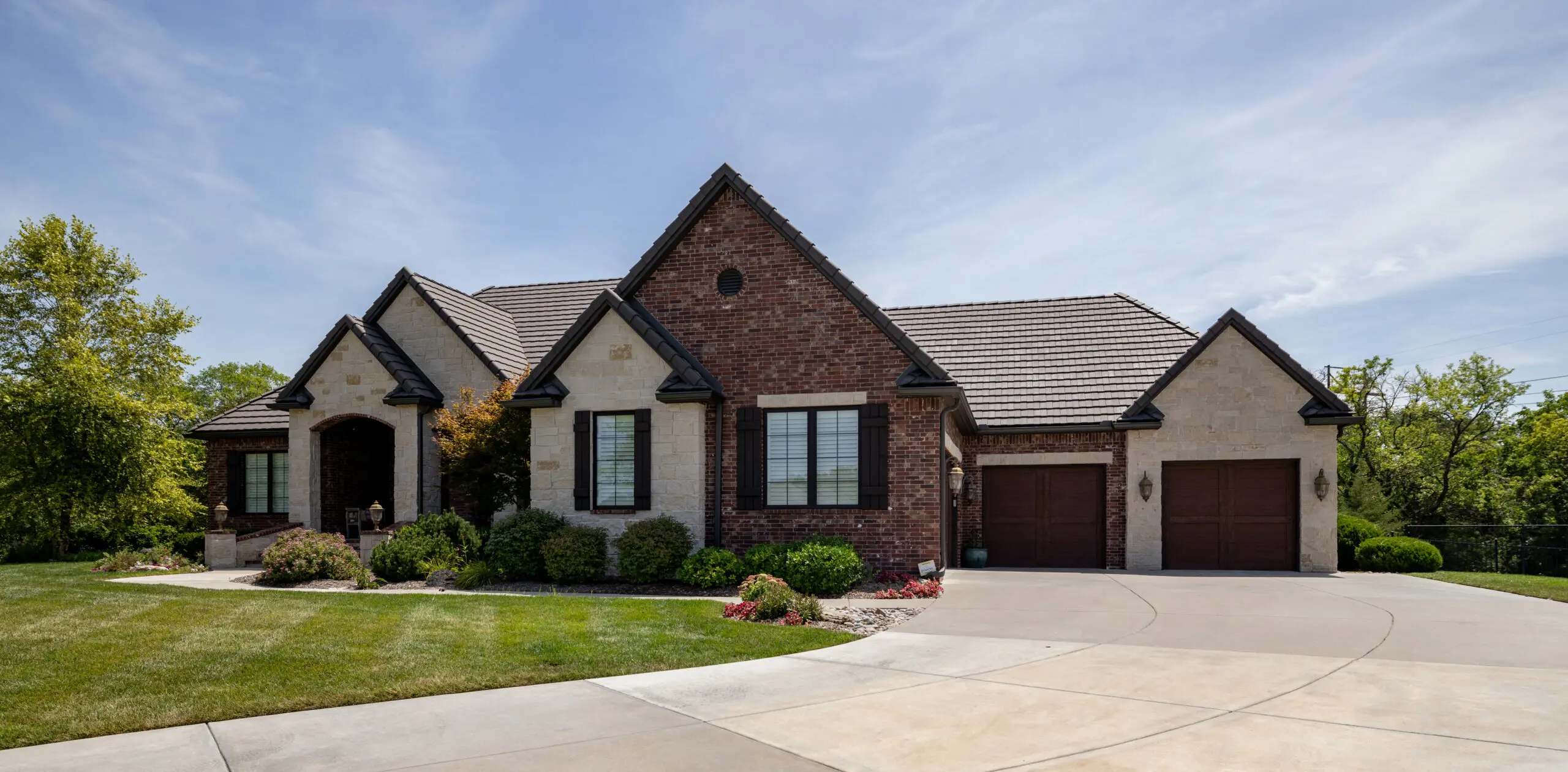

Knowing your Clopay garage door parts helps you spot trouble early, budget for repairs, and understand which fixes are safe to handle and which call for a professional. Clopay is one of the most widely installed garage door brands in North America, so whether you have a classic steel door or an insulated carriage-house style, the core components work the same way and wear out on predictable timelines. This guide walks through the six key parts every homeowner should recognize, how to tell when each needs replacing, and what a realistic repair looks like in 2026.
Here is what you will learn in the sections below:
- The key parts: The six components that keep a Clopay door running and how to recognize each one.
- Replacement signs: The warning signs and typical lifespan for each part so you can plan ahead.
- Cost and safety: Real price ranges plus clear guidance on do-it-yourself versus professional repair.
Understanding Your Clopay Garage Door System
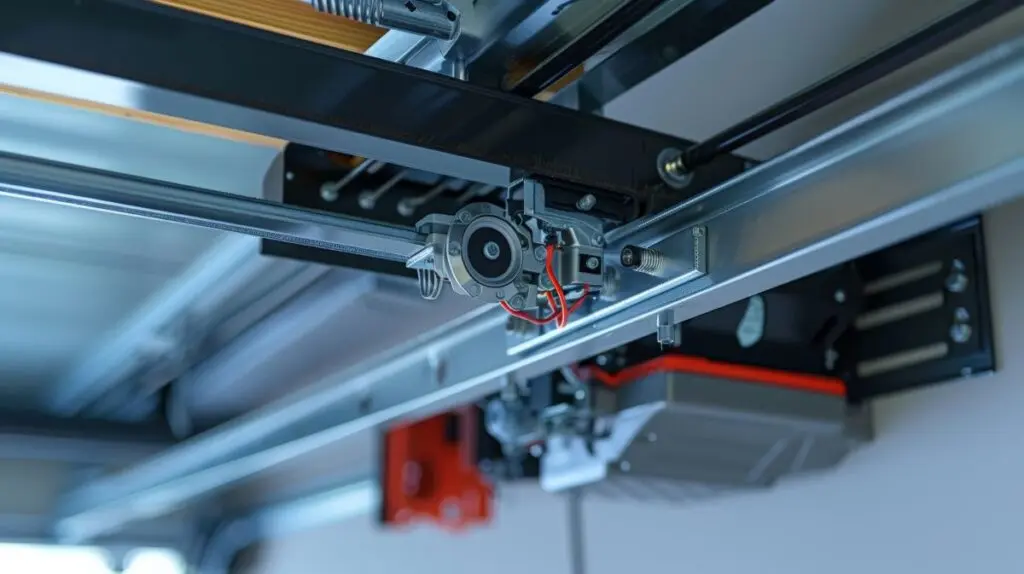
A Clopay garage door is a balanced system where springs, cables, rollers, hinges, and an opener work together to move a heavy door smoothly and safely. Getting familiar with how these parts connect makes it far easier to diagnose problems and talk confidently with a repair technician.
How the Parts Work Together
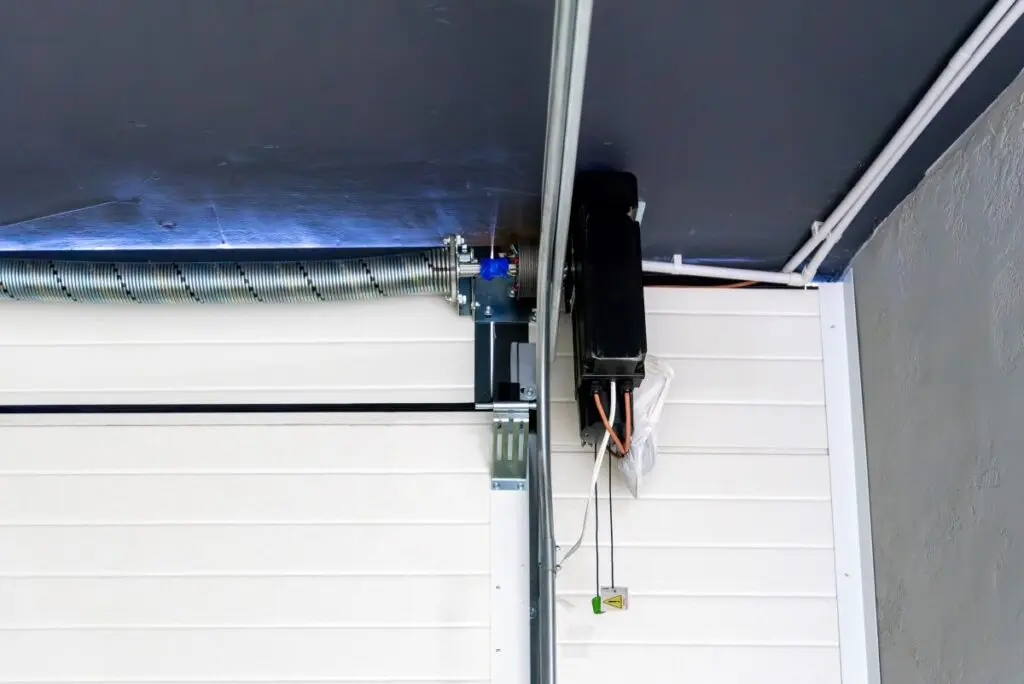
The parts of a garage door work as one counterbalanced system, where the springs do the heavy lifting and every other component guides or supports the door’s movement. When you press the opener, the motor simply guides the door while the tensioned springs carry most of the weight, which is why a balanced door feels almost weightless by hand. Cables transfer the spring’s force to the bottom of the door, rollers keep it tracking straight, and hinges let the sections bend around the curve of the track. Because each part depends on the others, a single worn component often strains the whole system and speeds up wear elsewhere.
- Springs lift: Tensioned springs counterbalance the door’s weight and do the real lifting.
- Cables transfer force: Steel cables carry spring tension to the bottom brackets.
- Rollers guide travel: Rollers keep the door tracking smoothly along the rails.
- Hinges flex sections: Hinges let the door panels bend around the track’s curve.
Why Genuine Replacement Parts Matter
Using genuine or properly matched replacement parts matters because a Clopay door is engineered for specific spring sizes, hardware, and section designs that keep it balanced and safe. Installing a spring with the wrong wire gauge or length, for example, throws off the balance and can make the door slam shut or strain the opener. Matching parts to your door’s weight and model preserves smooth operation and protects the warranty on newer doors. A professional can identify the exact specifications your door needs, which removes the guesswork and prevents the mismatches that cause premature failure.
- Correct balance: Matched springs and hardware keep the door properly counterbalanced.
- Safe operation: Properly sized parts prevent slamming, straining, and uneven travel.
- Warranty protection: Genuine parts help preserve coverage on newer doors.
- Longer life: Correctly matched components reduce strain and premature wear.
6 Key Clopay Garage Door Parts and When to Replace Them
The six parts below are the components most likely to wear out and need replacement over the life of your door, and each includes the warning signs and typical lifespan to watch for. Understanding these helps you catch small problems before they turn into a door that will not open or a costly emergency call.
1. Torsion and Extension Springs
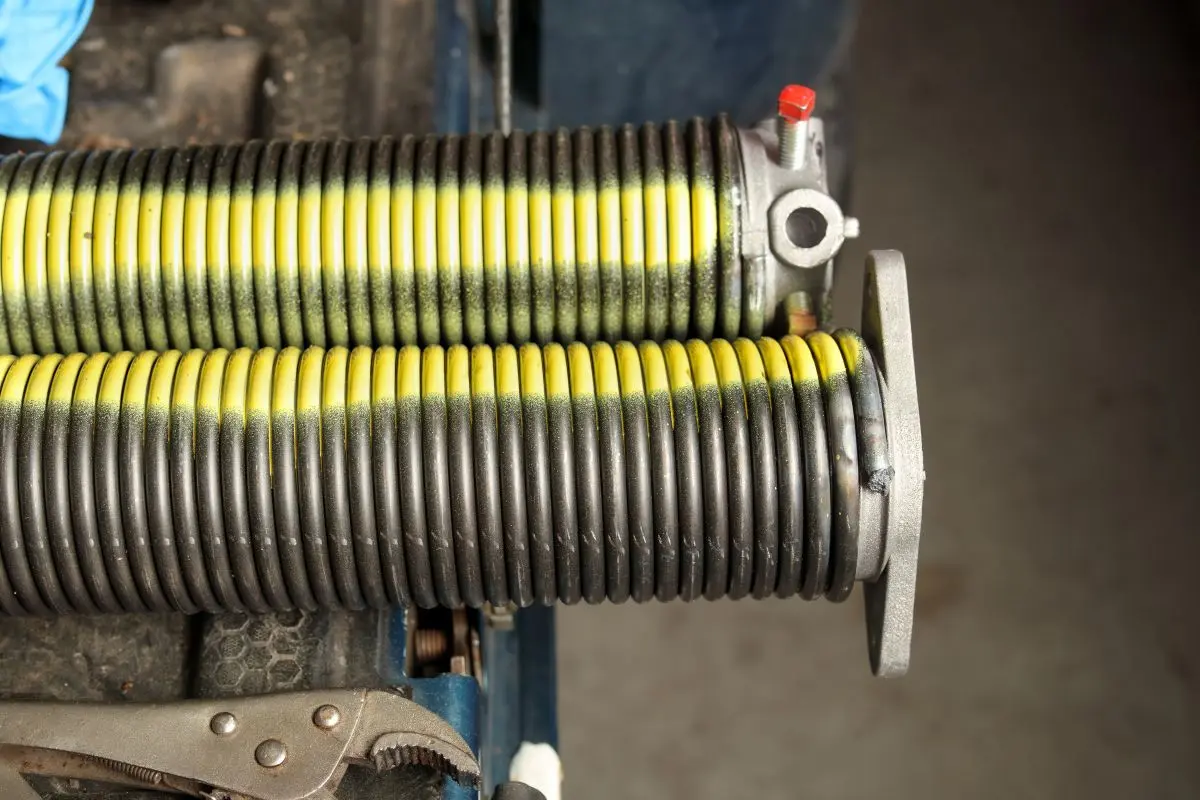
Torsion and extension springs are the hardest-working parts of your door and the most common component to fail, typically lasting about 7 to 12 years or roughly 10,000 open-and-close cycles. Torsion springs mount on a bar above the door and are standard on most modern Clopay doors, while extension springs run along the tracks on either side. A broken spring is easy to spot: the door suddenly feels extremely heavy, will not open with the opener, or you see a visible gap in the coil. Because springs store tremendous energy under tension, spring replacement is strictly a professional job that costs roughly $200 to $500 installed.
- Typical lifespan: About 7 to 12 years or near 10,000 cycles.
- Warning signs: A heavy door, a visible gap in the coil, or a loud bang.
- Safety note: High tension makes this a professional-only replacement.
- Installed cost: Roughly $200 to $500 depending on spring type and door weight.
2. Lifting Cables
Lifting cables are the steel cords that connect the bottom of the door to the spring system, carrying the door’s full weight every time it moves. Cables commonly last 8 to 15 years but can fail sooner in humid or salty conditions that cause rust and fraying. Look for frayed strands standing up like a wire brush, rust, or a door that hangs crooked, all of which signal a cable that needs attention. Like springs, cables are under constant load and connect to brackets holding spring tension, so replacement should be left to a professional and typically runs $150 to $350.
- Typical lifespan: About 8 to 15 years, shorter in humid or salty air.
- Warning signs: Fraying strands, visible rust, or a door hanging unevenly.
- Safety note: Cables are under load and should be replaced by a pro.
- Installed cost: Approximately $150 to $350 depending on the door.
3. Rollers
Rollers are the small wheels that let the door glide along the tracks, and worn rollers are a leading cause of noisy, jerky operation. Standard rollers last around 10 to 15 years, while premium nylon rollers with sealed bearings run quieter and can last longer. Signs of worn rollers include grinding or rattling noises, a door that shudders as it moves, or visible wobble in the wheels. Roller replacement is a moderate job, and while some homeowners replace the non-tension rollers themselves, having a professional do it ensures the door stays properly aligned, at a cost of about $100 to $250.
- Typical lifespan: Around 10 to 15 years, longer for premium nylon rollers.
- Warning signs: Grinding, rattling, shuddering, or visibly wobbling wheels.
- Quieter upgrade: Nylon rollers with sealed bearings reduce noise.
- Installed cost: Roughly $100 to $250 for a full set.
4. Hinges and Rollers Brackets
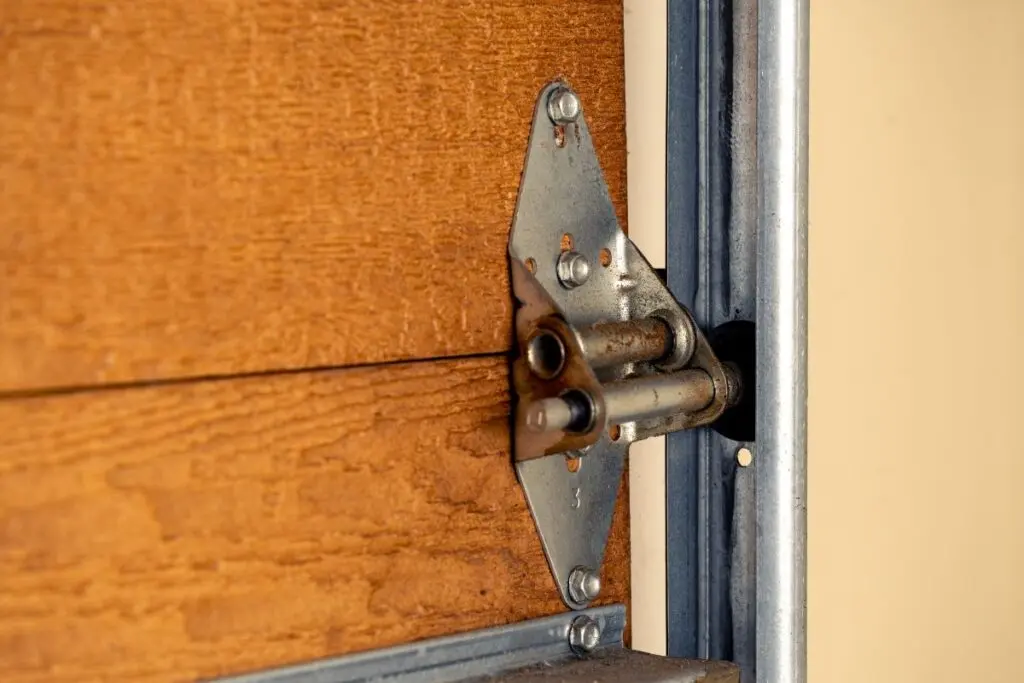
Hinges and their brackets connect the door sections and hold the rollers, flexing as the door bends around the curve of the track. Quality hinges often last the life of the door, but rust, loose fasteners, or a door that binds and cracks at the section joints signal hinges that need attention. Bent or worn hinges can cause the panels to misalign, which strains the rollers and tracks over time. Replacing hinges is a manageable repair when the door is properly supported, and a professional visit to swap worn hinges typically costs $100 to $300 depending on how many need replacing.
- Typical lifespan: Often the life of the door, sooner if rusted or loose.
- Warning signs: Binding sections, cracks at the joints, rust, or loose bolts.
- Ripple effect: Worn hinges misalign panels and strain rollers and tracks.
- Installed cost: Around $100 to $300 depending on the number replaced.
5. Weatherstripping and Bottom Seal
Weatherstripping and the bottom seal are the rubber components that keep out cold air, water, dust, and pests, and they are among the few parts a handy homeowner can often replace. The bottom seal slides into a groove along the base of the door and usually needs replacing every 2 to 5 years as it hardens, cracks, or tears. Signs it is time include visible light or drafts under a closed door, water seeping in, or brittle, flattened rubber. New weatherstripping is inexpensive at $30 to $100 for materials, and a professional can replace it along with a tune-up if you prefer not to tackle it yourself.
- Typical lifespan: Every 2 to 5 years as the rubber hardens and cracks.
- Warning signs: Light or drafts under the door, water intrusion, or brittle rubber.
- Homeowner friendly: The bottom seal is one of the easier parts to replace.
- Material cost: Roughly $30 to $100 for weatherstripping supplies.
6. The Garage Door Opener
The garage door opener is the motorized unit that operates the door, and while separate from Clopay’s door hardware, it is essential to the system and eventually wears out. Openers typically last 10 to 15 years, and signs of decline include unreliable response, unusual noise, slow or jerky movement, or a failure of the safety reversal. Modern replacements add quieter belt drives, battery backup, and smartphone control, making an aging opener worth upgrading. Because installation involves mounting, wiring, and calibrating the safety sensors, professional replacement is recommended and generally costs $300 to $600 installed.
- Typical lifespan: About 10 to 15 years of regular use.
- Warning signs: Unreliable response, loud operation, or failing safety reversal.
- Modern upgrades: Belt drives, battery backup, and app control add convenience.
- Installed cost: Roughly $300 to $600 including setup and sensor calibration.
Repair, Maintenance, and Cost Considerations
Keeping a Clopay door running well comes down to routine maintenance, timely part replacement, and knowing which jobs are safe to do yourself. A little planning here saves money and prevents the inconvenience of a door that fails when you need it most.
Routine Maintenance Extends Part Life
Routine maintenance extends the life of every part by keeping components clean, lubricated, and properly adjusted before wear turns into failure. Simple homeowner tasks like lubricating rollers and hinges, wiping down the tracks, checking cables for fraying, and testing the auto-reverse a few times a year go a long way. An annual professional tune-up catches problems like loosening hardware or fading spring tension that are easy to miss by eye. According to Family Handyman, a basic garage door represents a significant home investment, with a standard insulated door and installation running around $2,400, which makes protecting that investment through upkeep well worth the effort.
- Homeowner tasks: Lubricate, clean tracks, inspect cables, and test the auto-reverse.
- Annual tune-up: A yearly professional check catches hidden wear early.
- Prevent cascades: Early fixes stop one worn part from straining others.
- Protect value: Upkeep safeguards a costly and heavily used home feature.
When to Call a Professional
Knowing when to call a professional protects both your safety and your wallet, since several garage door parts store enough energy to cause serious injury. Springs, cables, and the bottom brackets they connect to are under extreme tension and should never be adjusted or replaced by a homeowner. Tasks like lubrication, weatherstripping, tightening visible hardware, and testing safety features are fine to handle yourself, but anything involving tension or the opener’s wiring calls for a trained technician. When in doubt, a professional visit is inexpensive insurance against a dangerous mistake or a costlier repair down the line.
- Leave to a pro: Springs, cables, and bottom brackets are under dangerous tension.
- Safe to DIY: Lubrication, weatherstripping, and testing safety features.
- Opener wiring: Electrical and sensor work should be handled professionally.
- Peace of mind: A service call is cheap insurance against injury or bigger damage.
Frequently Asked Questions About Clopay Garage Door Parts
How much does it cost to replace Clopay garage door parts?
Most individual Clopay part replacements run between $100 and $600 installed, depending on the component. Springs typically cost $200 to $500, cables $150 to $350, rollers $100 to $250, and an opener $300 to $600. Request an itemized quote so you can see parts and labor separately.
How long do Clopay garage door springs last?
Clopay garage door springs typically last about 7 to 12 years, or roughly 10,000 open-and-close cycles. Homes that use the door many times a day will wear springs out faster. A sudden heavy door or a visible gap in the coil usually means the spring has broken and needs professional replacement.
Can I replace Clopay garage door parts myself?
Some Clopay parts like weatherstripping, the bottom seal, and non-tension hardware are safe for a handy homeowner to replace. However, springs, cables, and bottom brackets are under extreme tension and should always be left to a professional. Opener wiring and sensor calibration are also best handled by a technician.
Are Clopay parts compatible with other garage door brands?
Some universal parts like rollers, hinges, and weatherstripping may fit multiple brands, but springs and specialty hardware are sized to your specific door’s weight and design. Using mismatched parts can throw off the balance and create safety risks. A professional can confirm the exact specifications your door requires.
How do I know which Clopay parts I need?
The best way to identify the right parts is to check your door’s model information and have the specifications confirmed, since springs and hardware are matched to door weight and size. A technician can measure and identify the exact components during a service visit. This avoids the common mistake of ordering mismatched parts.
How often should I have my garage door serviced?
A garage door should be professionally serviced about once a year to keep all parts operating safely and smoothly. Annual maintenance includes lubricating moving parts, inspecting springs and cables, testing the safety reversal, and tightening hardware. Regular service extends the life of the parts and helps prevent unexpected breakdowns.
Why Cheney Door Is Your Best Choice for Clopay Garage Door Parts
When it comes to keeping your Clopay door running safely and smoothly, Cheney Door has the parts, expertise, and responsiveness that homeowners count on. Locally owned and family-run since 1971, our team has spent more than five decades servicing and installing garage doors, and we back our work with 24/7 emergency service so a broken spring or a door that will not open is never left to wait. We work with trusted brands including Clopay, Amarr, Raynor, CHI, and Hampton Bay, and our technicians can quickly identify the exact parts your door needs and replace high-tension components like springs and cables safely. Because a Clopay door depends on properly matched parts and correct balance, trusting replacements to a seasoned local team protects both your safety and your investment. Reach out to Cheney Door today for expert help identifying and replacing your Clopay garage door parts, and request your free quote to get your door operating like new again.