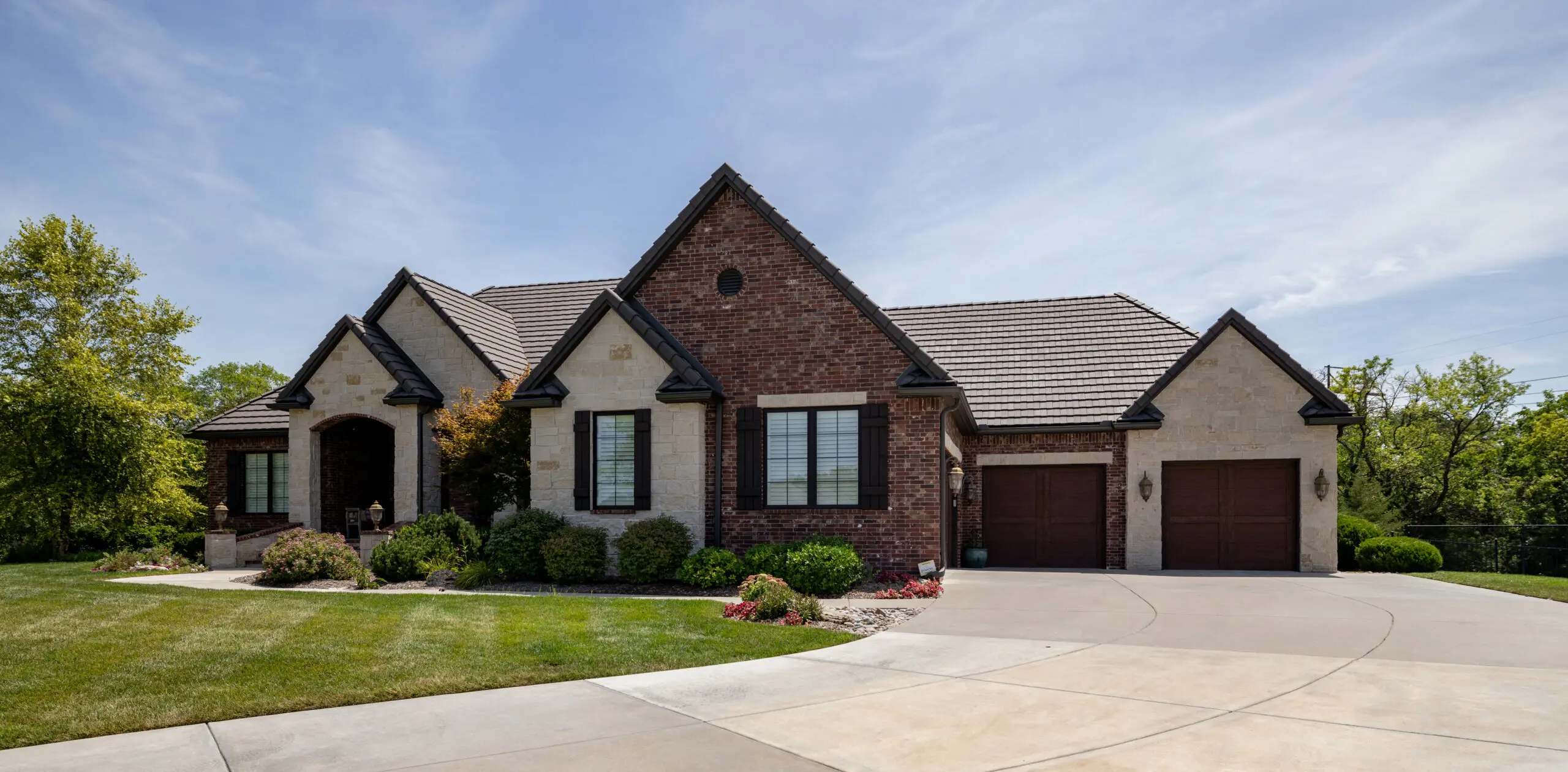

Choosing among today’s garage door colors is one of the fastest, most affordable ways to transform the entire front of your home, since the door commands so much of what people see from the street. In 2026, homeowners are moving away from builder-grade beige and toward bold neutrals, warm wood tones, and coordinated palettes that make a house look intentional and upscale. This guide walks through eight of the most on-trend color picks this year, who each one suits best, and how to choose a shade that lifts your curb appeal for years to come.
Here is what you will learn in the sections below:
- Eight picks: The most in-demand garage door shades for 2026 and the home styles each complements.
- Design guidance: How to coordinate your door with siding, trim, and your entry door for a cohesive look.
- Lasting value: Why color choice matters so much for curb appeal and how to pick a shade that endures.
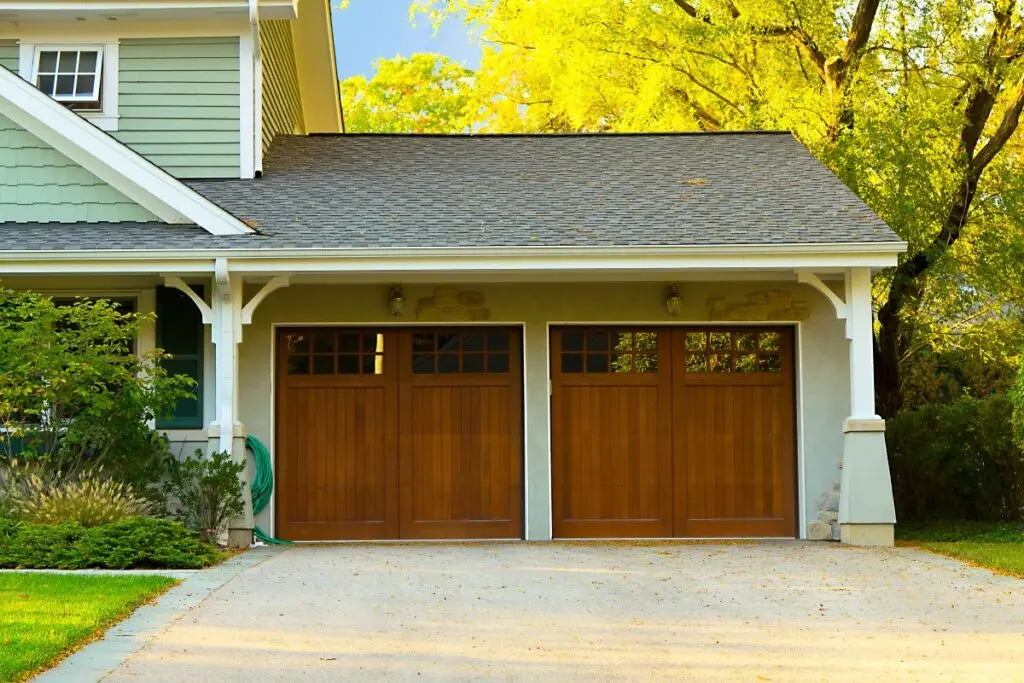
How to Choose a Garage Door Color
Choosing a garage door color comes down to how it interacts with your home’s siding, trim, roof, and architecture rather than the shade alone. Getting these relationships right is what separates a door that elevates a home from one that clashes with it.
Why Garage Door Color Has Such a Big Impact
Garage door color has an outsized impact on curb appeal because the door is often the single largest element on a home’s front elevation. Because it sits at eye level and spans a wide area, its color sets the tone for how polished or dated the whole facade appears. According to Clopay, a garage door can occupy as much as 40 percent of a home’s facade, which means the right color can dramatically lift curb appeal while the wrong one drags it down. Choosing a shade that complements your home’s architecture is therefore one of the highest-impact exterior decisions you can make.
- Visual dominance: The door can span up to 40 percent of the front facade.
- Eye-level focus: Its color is among the first things visitors notice.
- Tone setter: The shade shapes how modern or dated the home looks.
- High impact: The right color lifts the entire exterior at once.
Coordinating With Siding, Trim, and Entry Door
Coordinating your garage door color with the siding, trim, and front entry door is the key to a cohesive, high-end look rather than a mismatched one. A popular 2026 approach is to either match the door closely to the siding for a seamless, expansive feel or to contrast it deliberately as an accent that draws the eye. Coordinating the garage door with the front entry door, through matching or complementary colors, is one of the strongest trends for creating a pulled-together facade. Considering the roof color and any stone or brick accents ensures the whole exterior reads as one intentional palette.
- Seamless or accent: Match the siding for expansive calm or contrast for impact.
- Entry door pairing: Coordinate with the front door for a cohesive look.
- Fixed materials: Factor in roof, stone, and brick that you cannot change.
- Whole palette: Aim for an exterior that reads as one intentional scheme.
8 On-Trend Garage Door Colors for 2026
The eight color picks below lead garage door trends in 2026, spanning bold neutrals, warm woods, and fresh accent shades. Each entry explains the look it creates and the home styles it suits best so you can find a color that matches both your house and your taste.
1. Matte Black
Matte black is the standout color of 2026, delivering a bold, modern, high-contrast look that instantly reads as upscale. This dramatic shade pairs especially well with white, gray, or stone exteriors, creating striking contrast that makes a home feel contemporary and intentional. The matte finish avoids glare and hides dust and minor marks better than a glossy black, keeping the door looking sharp. Matte black suits modern, farmhouse, and transitional homes and coordinates beautifully with black window frames and entry doors.
- Best for: Modern, farmhouse, and transitional homes wanting bold contrast.
- Pairs with: White, gray, and stone exteriors for striking effect.
- Practical perk: The matte finish hides dust and reduces glare.
- Coordinate: Ties in beautifully with black windows and entry doors.
2. Charcoal Gray
Charcoal gray offers the drama of black with a slightly softer, more versatile feel, making it one of the most popular neutral picks of 2026. This deep gray provides modern sophistication while blending more easily with a wider range of siding colors than pure black. It works across steel, aluminum, and faux-wood doors, so the look is achievable at nearly any budget. Charcoal suits contemporary and suburban homes and pairs well with white, beige, and cool-toned exteriors.
- Best for: Contemporary and suburban homes seeking versatile drama.
- Advantage: Softer than black yet still modern and sophisticated.
- Flexible pairing: Blends with white, beige, and cool-toned siding.
- Wide availability: Works across most door materials and budgets.
3. Warm White
Warm white is the timeless, clean choice that keeps a home looking bright, fresh, and crisp, and it remains a top pick year after year. Unlike stark bright white, a warm white carries a subtle softness that flatters nearly any architectural style without feeling cold. It looks especially sharp paired with dark trim or a contrasting entry door, creating a classic, welcoming facade. Warm white suits traditional, colonial, and cottage-style homes and reflects heat well in sunny climates.
- Best for: Traditional, colonial, and cottage-style homes.
- Timeless appeal: Clean and fresh without feeling stark or cold.
- Sharp contrast: Looks striking against dark trim or entry doors.
- Climate benefit: Reflects heat well in sunny conditions.
4. Greige and Taupe
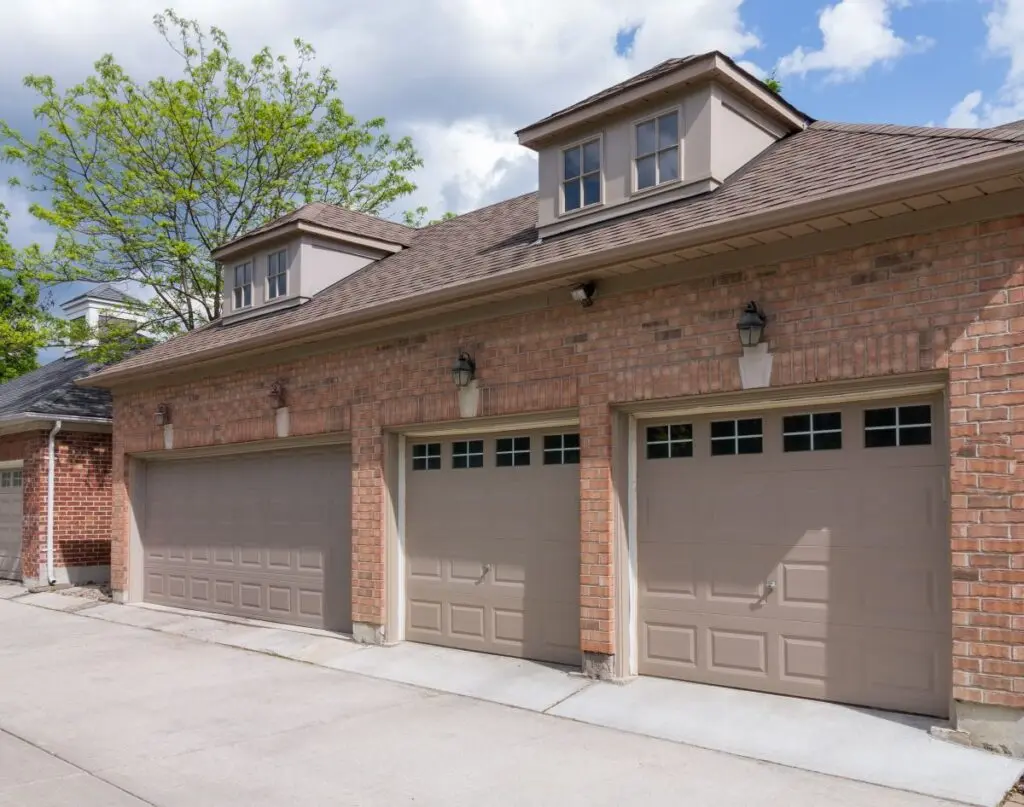
Greige and taupe, warm blends of gray and beige, offer subtle sophistication for homeowners who want a neutral that is current without being bold. These versatile mid-tones bridge cool grays and warm beiges, so they coordinate effortlessly with stone, brick, and a wide range of siding colors. Because they are understated, they add a refined, upscale feel while still reading as a considered choice rather than builder-grade beige. Greige and taupe suit transitional, craftsman, and ranch-style homes and pair beautifully with natural materials.
- Best for: Transitional, craftsman, and ranch homes wanting warm neutrals.
- Versatile tone: Bridges cool gray and warm beige effortlessly.
- Natural pairing: Coordinates with stone, brick, and wood accents.
- Refined feel: Upscale and current without being bold.
5. Faux Wood Tones
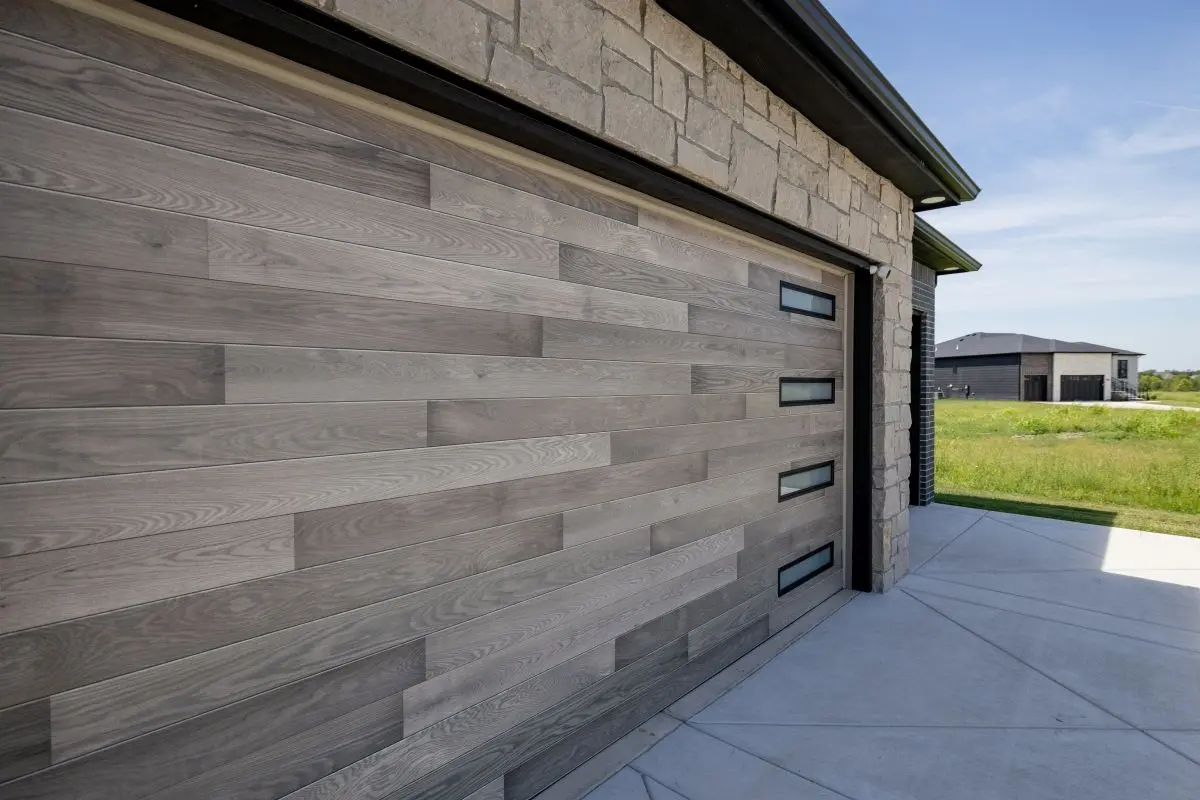
Faux wood finishes in cedar, mahogany, or walnut bring natural warmth and rich texture to a facade without the upkeep of real wood. These printed or stained wood-look finishes on insulated steel or composite doors resist fading, warping, and rot while delivering the organic character homeowners love. The look reads convincingly as stained wood from the curb, adding depth that a flat paint color cannot. Faux wood tones suit craftsman, farmhouse, modern, and coastal homes and pair especially well with stone and mixed-material exteriors.
- Best for: Craftsman, farmhouse, modern, and coastal homes.
- Warmth and texture: Adds organic character a flat color cannot.
- Low maintenance: Resists fading, warping, and rot unlike real wood.
- Great pairing: Complements stone and mixed-material facades.
6. Navy Blue
Navy blue adds a rich pop of color that feels sophisticated rather than loud, making it a favorite for homeowners who want personality without going too far. Deep navy and slate blue shades work beautifully against white, gray, and light stone exteriors, and they lend a crisp, coastal, or classic feel depending on the home. Blue is bold enough to stand out yet grounded enough to remain timeless, which makes it an increasingly popular accent choice. Navy suits coastal, colonial, and traditional homes and pairs especially well with white trim.
- Best for: Coastal, colonial, and traditional homes wanting color.
- Sophisticated pop: Bold yet grounded and timeless.
- Pairs with: White, gray, and light stone exteriors.
- Crisp accent: Looks especially sharp against white trim.
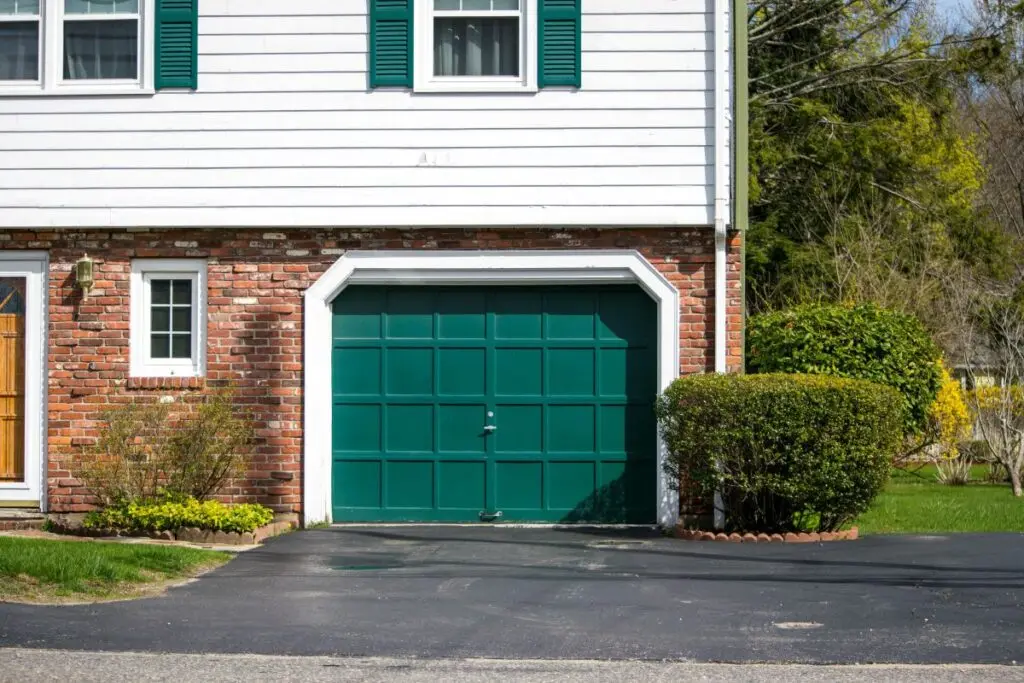
7. Sage and Earthy Green
Sage and earthy green tones are gaining real traction in 2026 for their grounded, natural feel that connects a home to its landscape. Muted greens like sage and olive feel calm and organic, pairing naturally with stone accents, wood elements, and lush landscaping. These shades stand apart from the more common neutrals while still feeling understated and tasteful rather than trendy. Earthy greens suit craftsman, cottage, farmhouse, and nature-surrounded homes and complement natural stone and warm wood beautifully.
- Best for: Craftsman, cottage, and farmhouse homes in natural settings.
- Grounded feel: Calm, organic tones that connect to the landscape.
- Natural pairing: Works with stone, wood, and lush greenery.
- Distinctive yet tasteful: Stands out while staying understated.
8. Coordinated Match-the-House
A coordinated, match-the-house approach paints the garage door to blend seamlessly with the siding so it recedes and makes the facade feel larger and more unified. Rather than treating the door as a feature, this strategy minimizes its visual weight, letting architectural details, landscaping, and the entry door take center stage. It is an especially smart choice for homes where the garage dominates the front elevation and a contrasting door would overwhelm the look. This approach suits modern, minimalist, and large-garage homes and creates a clean, expansive, high-end impression.
- Best for: Modern, minimalist, and garage-dominant homes.
- Seamless effect: The door recedes for a larger, unified facade.
- Shifts focus: Lets architecture and landscaping stand out.
- Clean impression: Creates an expansive, high-end look.
Making Your Color Choice Last
A garage door color is a long-term commitment, so choosing a shade that endures and holds up to the elements matters as much as picking one you love today. Thinking ahead about durability and timelessness protects both your curb appeal and your investment.
Balancing Trend and Timelessness
Balancing on-trend appeal with timelessness ensures your garage door still looks great years from now, not just this season. Bold shades like matte black and navy have staying power because they read as classic rather than fleeting, while neutral tones like greige and warm white are safe long-term bets. If you plan to sell, choosing a widely appealing neutral or a restrained accent tends to attract the broadest range of buyers. Selecting a color that complements your home’s architecture, rather than chasing a fad, is the surest path to lasting curb appeal.
- Staying power: Black, navy, and neutrals age well over time.
- Resale friendly: Widely appealing shades attract the most buyers.
- Architecture first: Match the home’s style over the newest fad.
- Long-term view: Pick a color you will still love in a decade.
Durability and Finish Considerations
Durability and finish choices determine how well your garage door color holds up against sun, weather, and daily wear over the years. Darker colors can absorb more heat and may fade faster in intense, direct sun, so a quality UV-resistant finish is worth prioritizing on south- and west-facing doors. Factory-applied finishes on steel and composite doors resist fading, chipping, and moisture far better than a basic repaint. Choosing a durable, well-finished door in your chosen color protects both the look and the lifespan of your investment.
- Sun exposure: Dark colors can fade faster on sun-facing doors.
- UV protection: Prioritize a UV-resistant finish for longevity.
- Factory finishes: Resist fading, chipping, and moisture best.
- Protect the investment: A durable finish preserves color and door life.
Frequently Asked Questions About Garage Door Colors
What is the most popular garage door color in 2026?
Matte black is the standout garage door color in 2026, valued for its bold, modern, high-contrast look. Charcoal gray, warm white, greige, and faux wood tones are also highly popular. Neutral shades continue to dominate because they complement a wide range of home styles and hold their appeal over time.
Should my garage door match my house or contrast with it?
Both approaches work well, and the right choice depends on your home. Matching the door to your siding creates a seamless, expansive look, while contrasting it makes a bold accent statement. Coordinating the garage door with your front entry door is a popular way to tie the whole facade together.
Do dark garage doors fade in the sun?
Dark garage doors can absorb more heat and may fade faster than lighter colors, especially on south- or west-facing walls with intense sun exposure. Choosing a quality UV-resistant factory finish greatly reduces fading. A durable finish helps a dark door hold its rich color for many years.
What garage door color adds the most home value?
Timeless, widely appealing shades like matte black, charcoal, warm white, and greige tend to add the most value because they attract the broadest range of buyers. Coordinating the door with the home’s overall palette also boosts curb appeal. Since a new garage door already delivers strong resale ROI, a well-chosen color enhances that return.
Can I repaint my existing garage door a new color?
Yes, many steel and aluminum garage doors can be repainted with the proper preparation and exterior-grade paint, though the result may not match a factory finish for durability. Faux-wood painted finishes are also a growing trend on existing steel doors. For the longest-lasting color, a new door with a factory-applied finish is the best option.
What colors work best for a modern home?
Modern homes look best with matte black, charcoal gray, warm wood tones, and seamless match-the-house neutrals that emphasize clean lines. These shades reinforce the minimalist, intentional look contemporary architecture calls for. Pairing the door with coordinating black window frames or an accent entry door completes the modern aesthetic.
Why Cheney Door Is Your Best Choice for Your New Garage Door
When you are ready to transform your home’s curb appeal with a fresh garage door color, Cheney Door brings the selection and expertise to help you choose with confidence. Locally owned and family-run since 1971, our team has spent more than five decades helping neighbors match doors, finishes, and colors to their homes, and we back every installation with 24/7 emergency service so your new door is always ready when you need it. We carry trusted brands including Clopay, Amarr, Raynor, CHI, and Hampton Bay, giving you a wide range of on-trend colors and durable factory finishes, from bold matte black to warm faux wood and everything between. Because the right color depends on how it works with your siding, trim, and architecture, having a seasoned local team guide the choice ensures a result that lifts your curb appeal for years. Reach out to Cheney Door today for expert guidance on the perfect color for your home, and request your free quote to give your home the standout curb appeal it deserves.