
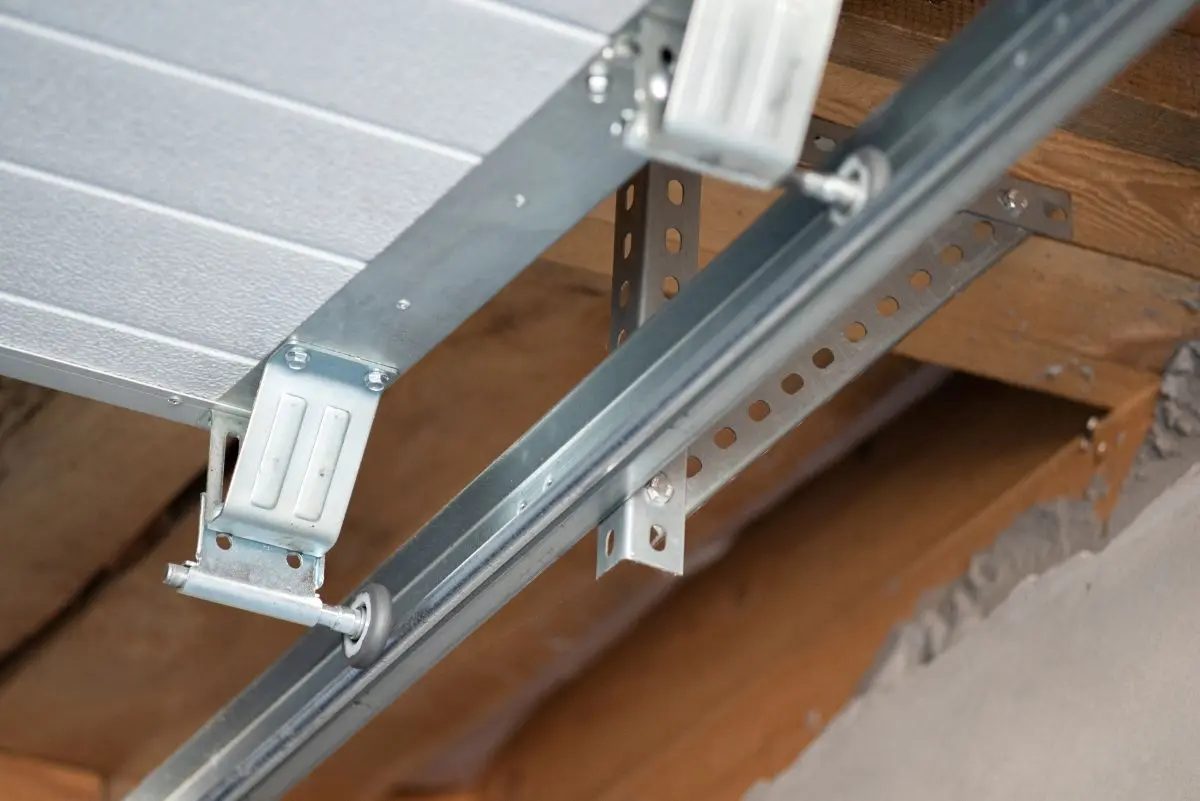
Garage door rollers are the small wheels that let your door glide up and down its tracks, and when they wear out, a smooth, quiet door turns into a noisy, jerky one. Because these little components work every single time you open the door, they wear on a predictable schedule and are one of the most common upgrades a homeowner can make for quieter, smoother operation. This guide breaks down the four main types of rollers, the warning signs that yours are due for replacement, and what a realistic swap costs in 2026.
Here is what you will learn in the sections below:
- The four types: How plastic, steel, and nylon rollers differ and which suits your door.
- Warning signs: The noises and behaviors that tell you it is time to swap your rollers.
- Cost and timing: Real price ranges and lifespans so you can plan the replacement.
How Garage Door Rollers Work
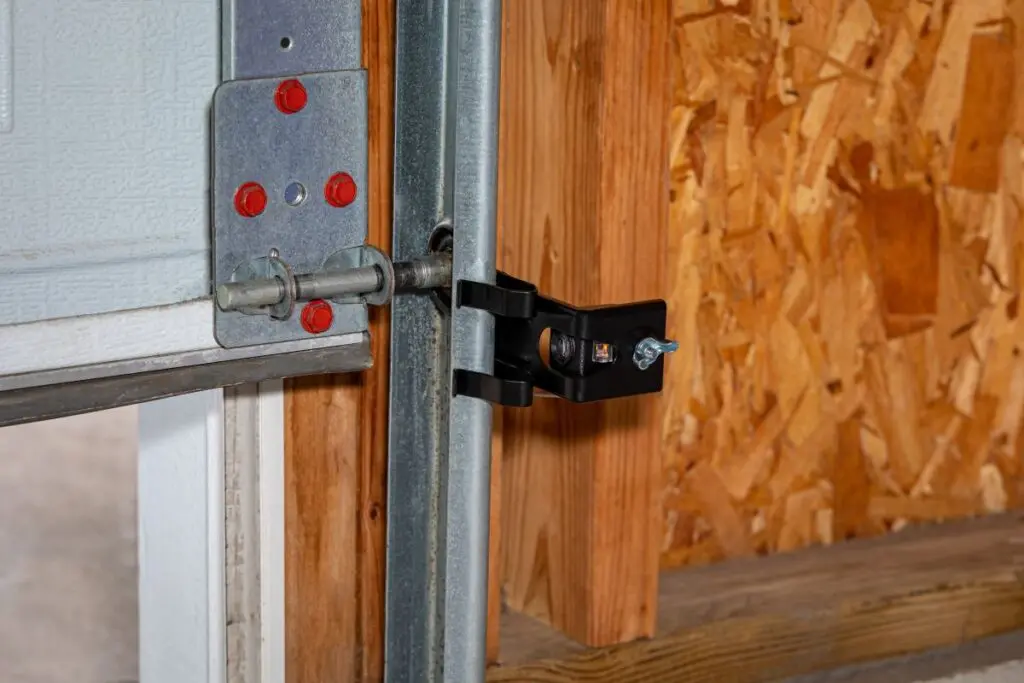
Garage door rollers are rod-and-wheel components that connect each door section to the tracks, allowing the door to move smoothly as it opens and closes. Understanding their construction and why quality varies so much makes it far easier to choose the right replacement.
The Role of Ball Bearings
Ball bearings are the small metal balls inside a roller that reduce friction between the stationary rod and the spinning wheel, and they largely determine how long a roller lasts. Rollers typically contain between 7 and 13 ball bearings, and generally, the more bearings a roller has, the smoother and longer-lasting it is. A nylon roller with 13 sealed bearings is often rated around 20,000 cycles, while one with 10 bearings runs closer to 10,000 to 15,000 cycles. Rollers with no bearings at all, common on builder-grade doors, wear out fastest because the wheel grinds directly on the stem.
- Friction reduction: Bearings let the wheel spin freely with less wear.
- Bearing count: Rollers hold 7 to 13 bearings, with more meaning longer life.
- Sealed bearings: Sealed designs keep out dirt and need little lubrication.
- No bearings: Bearing-free rollers grind and fail the fastest.
Why Roller Quality Matters
Roller quality matters because it directly affects your door’s noise level, smoothness, and how much strain is placed on the opener motor. A cheap, worn roller creates metal-on-metal or wheel-on-stem grinding that makes the door loud and rough, while a quality roller glides quietly and evenly. Smoother rollers also reduce the load on your opener and are gentler on the tracks, which can extend the life of the whole system. Because your door works constantly, investing in better rollers often pays off in fewer repairs and a quieter home.
- Noise level: Quality rollers eliminate grinding and squeaking.
- Smooth travel: Better rollers move the door evenly without jerking.
- Less strain: Smooth rollers reduce load on the opener motor.
- Track protection: Softer nylon wheels are gentler on the tracks.
4 Types of Garage Door Rollers
The four roller types below range from basic builder-grade wheels to premium sealed-bearing nylon, and each differs sharply in lifespan, noise, and cost. Understanding these differences helps you match a roller to your door, your budget, and how much you value quiet operation.
1. Plastic Rollers
Plastic rollers are the most basic and inexpensive type, commonly installed on new-construction homes to keep building costs down. They usually have no ball bearings, so the wheel grinds directly against the stem, which makes them noisy and causes them to wear out quickly. Most plastic rollers last only about 1 to 3 years, or roughly 1,000 to 2,000 cycles, before they begin to crack, flatten, or seize. Homeowners often mistake these for nylon rollers, but without bearings they offer none of the quiet, long-lasting performance that quality nylon provides.
- Best for: Keeping upfront costs low on new-construction doors.
- Lifespan: Only about 1 to 3 years or 1,000 to 2,000 cycles.
- Drawback: No bearings means grinding, noise, and fast wear.
- Common mistake: Often confused with far better nylon rollers.
2. Steel Rollers Without Bearings
Steel rollers without ball bearings are another builder-grade option, stronger than plastic but still short-lived because there is nothing to reduce friction as the wheel turns. Like plastic rollers, these grind and wear quickly, typically lasting only a couple of years under normal daily use. They are inexpensive up front, which is why they show up on lower-cost doors, but they are noisy and need frequent lubrication to keep moving smoothly. For most homeowners, these are the first rollers worth upgrading once they start to squeal or drag.
- Best for: Low-cost doors where upfront price is the priority.
- Lifespan: Only a couple of years of typical use.
- Drawback: Noisy operation and frequent lubrication needed.
- Upgrade candidate: Usually the first rollers homeowners replace.
3. Steel Rollers With Ball Bearings
Steel rollers with ball bearings are a durable, mid-range choice that can handle heavier doors and last considerably longer than bearing-free options. With bearings reducing friction, these rollers commonly last 10 to 15 years when well maintained, and their strength makes them a good fit for heavy or oversized doors. The main trade-off is noise, since the metal wheel running on a metal track is the loudest of the roller options. They also require regular lubrication and can develop rust over time if their protective coating wears down.
- Best for: Heavy or oversized doors needing extra strength.
- Lifespan: About 10 to 15 years with regular maintenance.
- Drawback: The noisiest option due to metal-on-metal contact.
- Upkeep: Needs lubrication and can rust if the coating wears.
4. Nylon Rollers With Sealed Bearings
Nylon rollers with sealed ball bearings are the premium choice and the most popular upgrade for homeowners who want quiet, smooth, low-maintenance operation. The nylon wheel dampens vibration for whisper-quiet travel, and the sealed bearings are permanently lubricated and protected from dirt, making them virtually maintenance-free. High-quality nylon rollers commonly last 12 to 20 years, with premium versions rated for tens of thousands of cycles. They cost more up front, roughly twice the price of basic steel, but they last two to three times longer while eliminating grinding noise, which makes them an excellent value for attached garages.
- Best for: Attached garages and homeowners wanting quiet operation.
- Lifespan: About 12 to 20 years for quality sealed-bearing models.
- Advantage: Whisper-quiet, smooth, and virtually maintenance-free.
- Value: Costs more up front but lasts far longer than steel.
When to Replace Your Garage Door Rollers
Knowing when to swap your rollers protects the rest of your door system, since worn rollers strain the opener and can damage the tracks if left too long. Watching for the warning signs and understanding the costs helps you time the replacement well.
Signs Your Rollers Need Swapping
The clearest signs your rollers need swapping are new noises, rough movement, and visible wear on the wheels themselves. As rollers wear, loosen, or bend, the door often opens and closes more slowly or in a jerky, uneven motion, and you may hear grinding, squealing, or rattling. Because rollers wear gradually with every cycle, the change can be easy to miss, which is why an occasional look and listen pays off. According to Garage Door Services (GG Door), a typical family garage door runs more than 1,500 times a year, so that wear adds up quickly over a decade of daily use.
- New noises: Grinding, squealing, or rattling signals worn rollers.
- Jerky travel: A door that moves unevenly or slowly needs attention.
- Visible wear: Cracked, flattened, or wobbling wheels are a clear sign.
- Heavy use adds up: Frequent daily cycles wear rollers faster.
Roller Replacement Costs and Timing
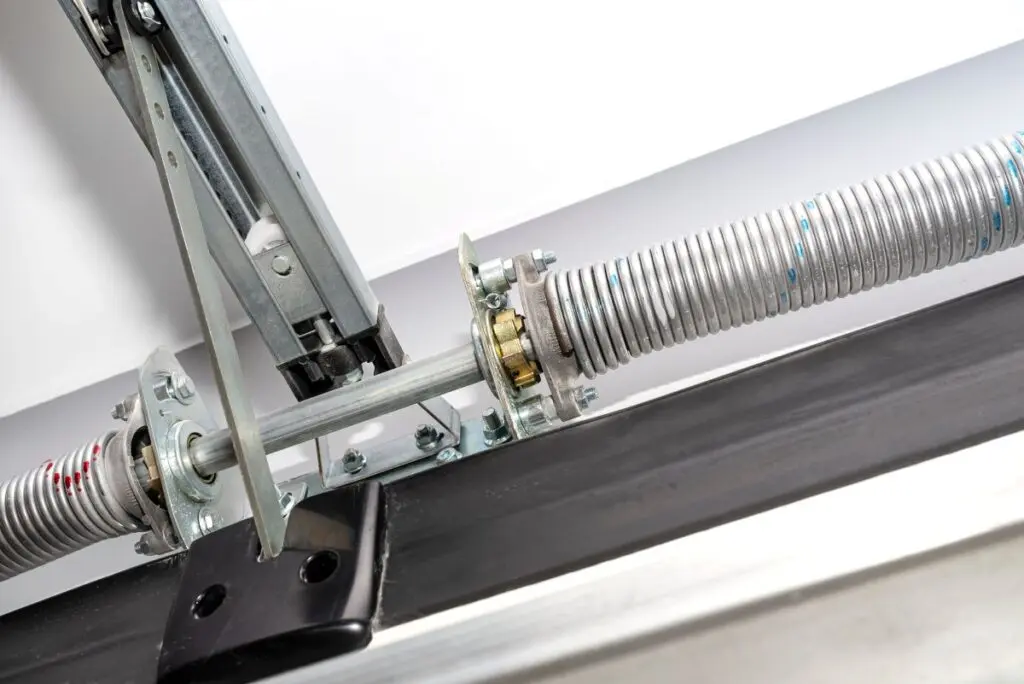
Roller replacement is an affordable repair that restores quiet, smooth operation, and it is often bundled with a tune-up. A full set of rollers typically costs about $100 to $250 installed, with nylon sealed-bearing rollers at the higher end and basic steel at the lower end. Professional replacement usually takes 45 to 90 minutes for a standard door, and it is worth noting that the rollers connected to the bottom brackets sit under spring tension and should only be handled by a professional. Replacing rollers before they fail completely prevents damage to the tracks and extra strain on the opener.
- Installed cost: Roughly $100 to $250 for a full set of rollers.
- Time required: About 45 to 90 minutes for a standard door.
- Safety note: Bottom-bracket rollers are under tension and need a pro.
- Replace early: Swapping before failure protects tracks and the opener.
Frequently Asked Questions About Garage Door Rollers
How much does it cost to replace garage door rollers?
A full set of garage door rollers typically costs $100 to $250 installed, depending on whether you choose basic steel or premium nylon sealed-bearing rollers. Nylon rollers cost more up front but last longer and run quieter. Request an itemized quote so you can see parts and labor separately.
How long do garage door rollers last?
Garage door roller lifespan depends on the type: plastic and bearing-free steel rollers last only a few years, steel rollers with bearings last 10 to 15 years, and quality nylon rollers with sealed bearings last 12 to 20 years. Usage, maintenance, and climate all affect how quickly they wear. Frequent daily use shortens the lifespan.
Can I replace garage door rollers myself?
Some center and top rollers can be replaced by a handy homeowner, but the rollers connected to the bottom brackets are under spring tension and should always be left to a professional. Attempting to remove a bottom-bracket roller without releasing tension safely is dangerous. Professional replacement of a full set is usually quick and affordable.
Why is my garage door so noisy?
A noisy garage door is very often caused by worn or bearing-free rollers grinding against the track, though loose hardware and lack of lubrication also contribute. Upgrading to nylon sealed-bearing rollers is the most common fix for a loud door. A technician can confirm whether rollers, hinges, or the opener are the source.
Are nylon or steel rollers better?
Nylon rollers with sealed bearings are quieter, need less maintenance, and resist rust, making them the preferred choice for attached garages. Steel rollers with bearings are stronger and better suited to very heavy doors but run louder. For most homes, quality nylon rollers offer the best balance of quiet operation and long life.
How often should garage door rollers be maintained?
Garage door rollers should be inspected and lubricated about twice a year, using the lubricant recommended in your owner’s manual. Sealed-bearing nylon rollers need very little upkeep, while steel rollers require more frequent lubrication to prevent rust and squeaking. Regular maintenance extends roller life and keeps the door running smoothly.
Why Cheney Door Is Your Best Choice for Garage Door Rollers
When your garage door starts grinding, dragging, or rattling, Cheney Door has the parts and expertise to get it gliding quietly again. Locally owned and family-run since 1971, our team has spent more than five decades servicing and installing garage doors, and we back our work with 24/7 emergency service so a door that is stuck or off its rollers is never left to wait. We work with trusted brands including Clopay, Amarr, Raynor, CHI, and Hampton Bay, and our technicians can recommend the right rollers for your door, whether that is a durable steel set for a heavy door or quiet nylon sealed-bearing rollers for an attached garage. Because the rollers at the bottom brackets sit under spring tension, trusting the swap to a seasoned local team protects both your safety and the rest of your door system. Reach out to Cheney Door today for expert help with your rollers or any garage door concern, and request your free quote to restore smooth, quiet operation.